
Shower Transfer Bench & Bathtub Bench: Accessibility Made Easy
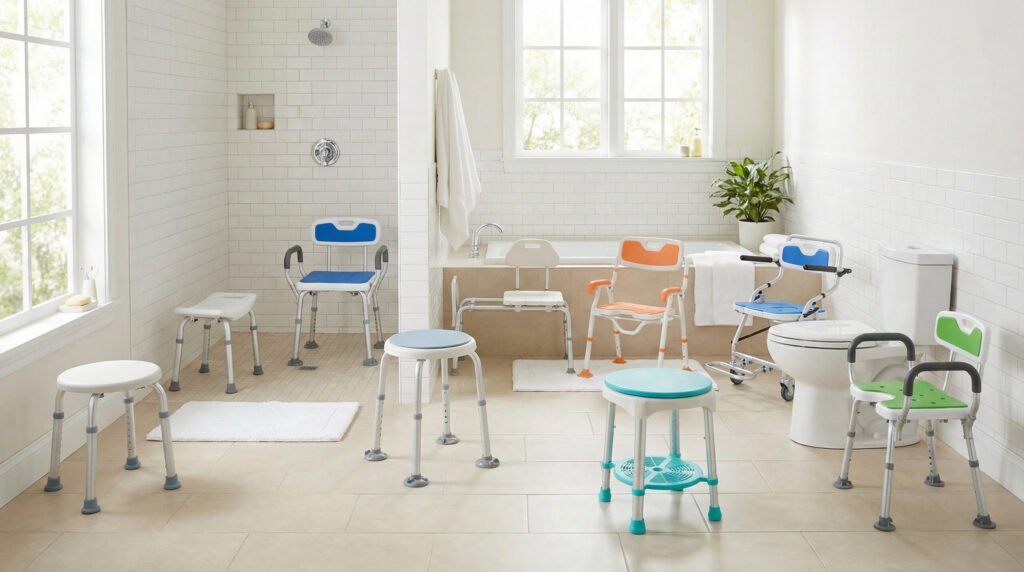
Choosing the Right Transfer Bench for Safer Bathing at Home and Care Facilities
If a user struggles to step over a bathtub edge, a transfer bench becomes the difference between independence and injury. In procurement terms, the real question is not “which model,” but “which setup reduces fall risk while improving daily usability.” This article walks through real buying scenarios, not theory.
Why Are Transfer Benches Becoming Standard in Elderly Care?
In most care environments, falls don’t happen during walking—they happen during transitions. Moving in and out of a bathtub is one of the highest-risk moments.
According to CDC data, over 80% of bathroom injuries among seniors are linked to slips and transfers. That’s why more distributors are shifting from basic shower chairs to bathtub transfer benches.
👉 If you’re still sourcing basic bath seating only, you may want to compare full shower chair solutions here →
What Makes a Shower Transfer Bench Different from a Standard Bath Chair?
Core Structural Difference
- Transfer benches extend outside the tub
- User sits first, then slides across
- No need to lift legs over high edges
This solves the biggest failure point in traditional bathing setups: vertical stepping.
Where Buyers Often Misjudge
Many buyers assume all benches perform similarly. In reality, the difference comes down to stability, adjustability, and user confidence.
Key Buying Scenarios: Which Type Fits Which User?
| User Type | Recommended Type | Key Feature | Why It Works | Risk Reduction |
|---|---|---|---|---|
| Post-surgery users | Transfer bench with back | Back support | Prevents backward instability | Medium |
| Weak balance elderly | Bench with arms | Armrest leverage | Improves transfer control | High |
| Care home use | Heavy-duty aluminum | 150kg capacity | Durability & repeated use | High |
| Independent users | Lightweight foldable | Easy storage | Space saving | Medium |
What Defines a Reliable Manufacturer?
From a sourcing perspective, product specs alone don’t tell the full story. Buyers who have been in this industry long enough know that consistency matters more than claims.
- Material thickness (1.25–1.35mm aluminum is more stable)
- Anti-slip design (suction + rubber feet)
- Tool-free assembly (reduces installation errors)
- Load capacity verified (not just declared)
👉 If you want to verify how production quality is controlled, you can see real manufacturing equipment here →
Why Distributors Choose Zhongshan Dinglian
Working with a consistent Zhongshan Dinglian manufacturer is not just about price—it’s about reducing after-sales issues.
As a Zhongshan Dinglian factory with long-term export experience, the advantage shows in three areas:
- Stable welding and frame structure
- Reliable packaging for long-distance shipping
- Flexible OEM configurations
👉 You can review company background and certifications here: Learn more about our factory →
Industry Trend: Why Transfer Benches Are Growing Faster Than Standard Chairs
Market data shows that aging populations in North America and Southeast Asia are driving demand for safer bathroom solutions. WHO estimates that by 2030, 1 in 6 people globally will be over 60.
That shift changes buying patterns:
- From “basic seating” → “safe transfer solutions”
- From “low cost” → “risk reduction value”
- From “single product” → “system purchase”
Final Buying Advice for Distributors
If you’re selecting a shower transfer bench or bathtub transfer bench with back and arms, don’t evaluate it as a single product.
Look at it as part of a daily-use system:
- Does it match your shower chair line?
- Can it integrate with mobility aids?
- Will it reduce caregiver workload?
👉 For tailored recommendations or OEM inquiries, you can directly contact our team here →