
Commode Chair Safety Tips: How to Prevent Falls and Improve Stability
Why Commode Chair Accidents Happen — And How to Prevent Them
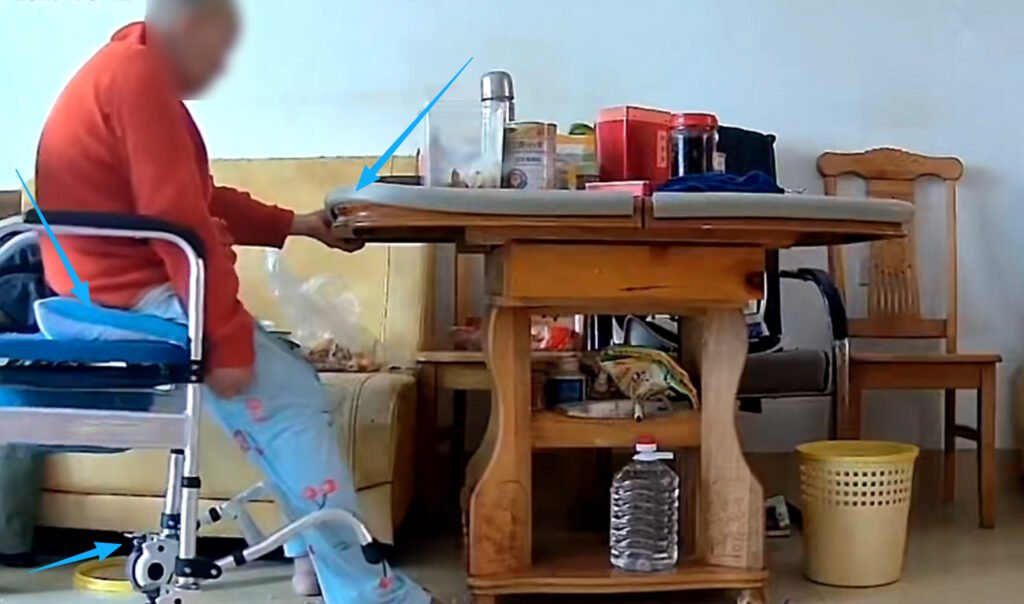
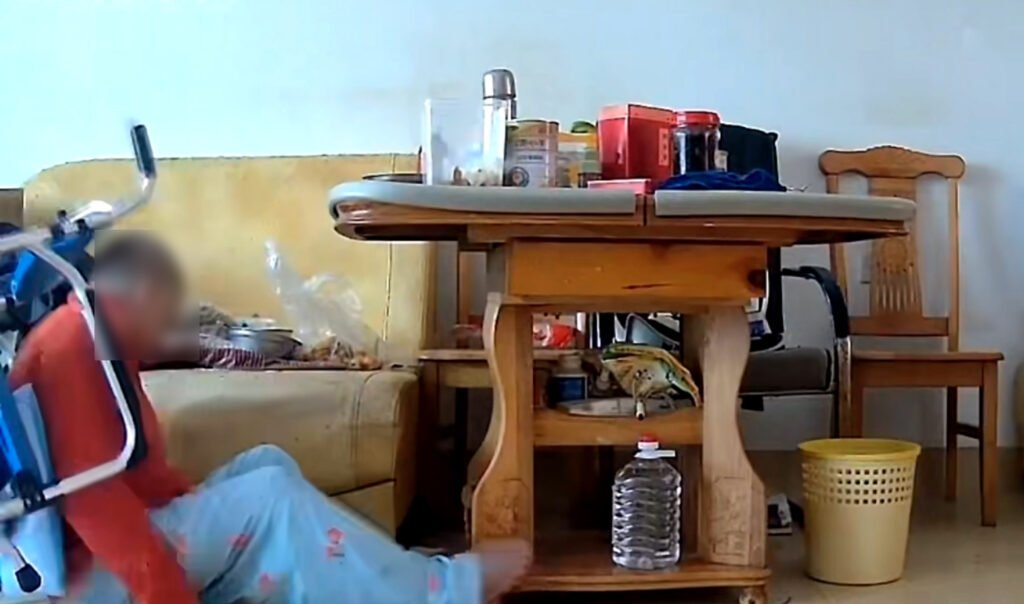
Falls during commode chair use are rarely accidental. Most incidents happen due to incorrect setup or improper user behavior. A common situation is when a user attempts to stand up and the chair suddenly moves forward, causing loss of balance.
In many real-life cases, three factors combine: sitting too far forward, incorrect seat height, and unlocked wheels. Understanding these risks is essential for both users and buyers.
What Causes Instability in Commode Chairs?
1. Sitting Too Far Forward
When the user does not sit fully back, body weight shifts toward the edge of the seat. This reduces stability and increases the chance of forward tipping during movement.
2. Incorrect Seat Height
If the seat is too high, the user’s feet may not fully touch the ground. This reduces friction and makes it harder to control balance when standing.
- Feet should be flat on the floor
- Knees at about 90° angle
- No tip-toe positioning
3. Unlocked Wheels (Most Critical)
If the wheels are not locked, the chair can move unexpectedly when the user applies force to stand up.
- Forward push = chair slides
- Loss of balance happens instantly
- High risk of injury
Step-by-Step Guide: How to Use a Commode Chair Safely
Step 1: Place the Chair on a Stable Surface
- Use flat, dry flooring
- Avoid wet or uneven surfaces
- Ensure all legs or wheels are evenly placed
Step 2: Lock All Wheels
- Engage every wheel brake
- Double-check manually
- Test by gently pushing the chair
Step 3: Adjust Seat Height
- Feet flat on ground
- Knees aligned with hips
- Comfortable and stable posture
Step 4: Sit Fully Back
- Hips against the backrest
- Weight evenly distributed
- Avoid sitting on the edge
Step 5: Stand Up Correctly
- Lean forward slightly
- Use armrests for support
- Push up slowly and steadily
Common Mistakes to Avoid
- Not locking wheels
- Using tables or unstable objects for support
- Sitting too close to the edge
- Incorrect seat height adjustment
Key Features That Improve Safety (For Buyers)
1. Strong Wheel Lock System
- Easy-to-use brake pedals
- Secure locking mechanism
- Anti-slip design
2. Ergonomic Seat Design
- Anti-slip surface
- Proper seat depth
- Comfortable support
3. Stable Frame Structure
- Wide base for balance
- Aluminum or steel construction
- High weight capacity (e.g., 150kg)
4. Supportive Armrests
- Strong and stable
- Proper height positioning
- Designed for weight-bearing
Why Safety Matters for Distributors and Care Facilities
For medical buyers and distributors, product safety directly impacts customer satisfaction and long-term business success.
- Fewer accidents reduce liability risks
- Better user experience increases repeat orders
- Reliable products build stronger brand trust
Training Is Essential
Even a well-designed product requires proper user guidance.
- Provide clear user manuals
- Include visual instructions
- Train caregivers and staff
Recommended Summary for Buyers
A high-quality commode chair should combine structural stability, reliable wheel locking, ergonomic seating, and ease of use. Choosing the right design not only improves safety but also enhances long-term usability and customer satisfaction.
Lorem ipsum dolor sit amet, consectetur adipiscing elit. Ut elit tellus, luctus nec ullamcorper mattis, pulvinar dapibus leo.