
How Moisture and Heat Impact Bathroom Care Equipment
A common question we hear from buyers is simple but critical: why do some bathroom care products look fine at delivery, yet fail after months of real use? In high-moisture, high-heat environments, the answer is rarely about appearance. It is about how materials, joints, and surface treatments respond when exposed to daily steam, water splash, cleaning chemicals, and repeated load cycles.
This is especially true for products like commode handrails, which operate at the intersection of safety, hygiene, and structural stability. From a procurement standpoint, understanding how moisture and heat interact with these products can prevent costly returns, user complaints, and long-term liability.
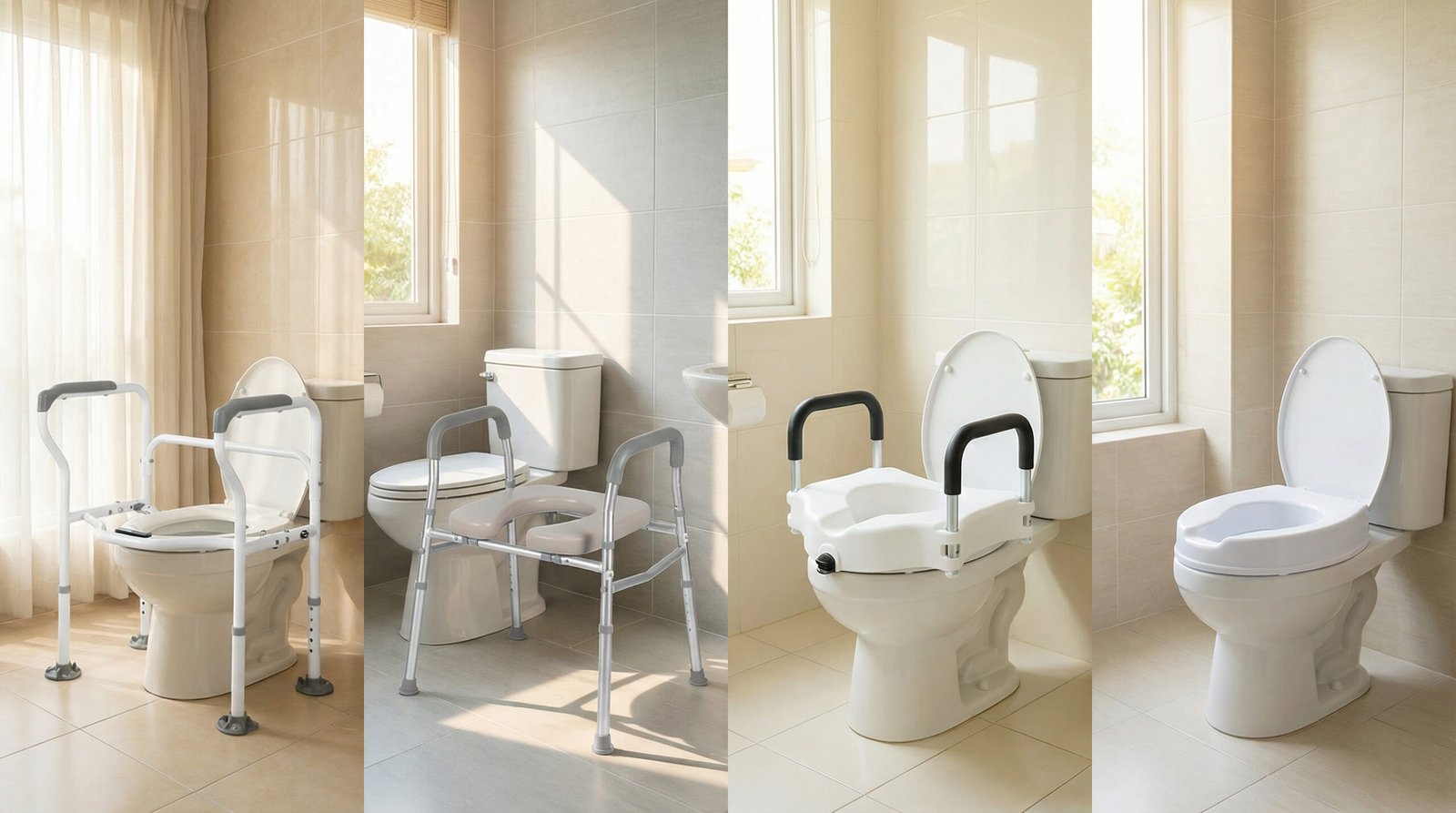
Moisture and Heat: Two Conditions Buyers Often Underestimate
In controlled environments, many bathroom care products perform acceptably. Problems begin when products are placed into real bathrooms—where moisture is persistent, temperatures fluctuate, and ventilation is inconsistent.
From years of supplier audits and post-market feedback, we consistently see that moisture and heat accelerate failure in three ways:
- Corrosion starts internally before surface rust becomes visible
- Thermal expansion loosens fasteners and welded joints
- Protective coatings degrade faster under repeated steam exposure
These factors rarely appear during short-term inspections. They emerge after months of daily use—exactly when end users rely most on stability and safety.
Material Choice: Stainless Steel vs. Carbon Steel in Wet Environments
One frequent sourcing debate centers on material selection. Buyers often compare stainless steel and carbon steel based on initial cost, but moisture and heat change that equation over time.
| Factor | Stainless Steel | Carbon Steel |
|---|---|---|
| Corrosion Resistance | High, even with surface wear | Low once coating is compromised |
| Response to Heat | Stable under temperature fluctuation | More prone to micro-expansion stress |
| Maintenance Demand | Lower over product life | Higher, especially in humid bathrooms |
In practice, many commode handrail failures we analyze involve carbon steel frames where protective layers wore down invisibly. Once moisture penetrates, corrosion spreads from the inside out.
Surface Treatment: Where Most Long-Term Problems Begin
Buyers often focus on material grade while overlooking surface treatment. Yet under heat and humidity, surface protection is often the first line of defense—and the first to fail.
Inadequate powder coating thickness, uneven curing, or untreated weld seams allow moisture to seep into micro-gaps. Over time, steam accelerates oxidation beneath the coating, causing blistering or peeling.
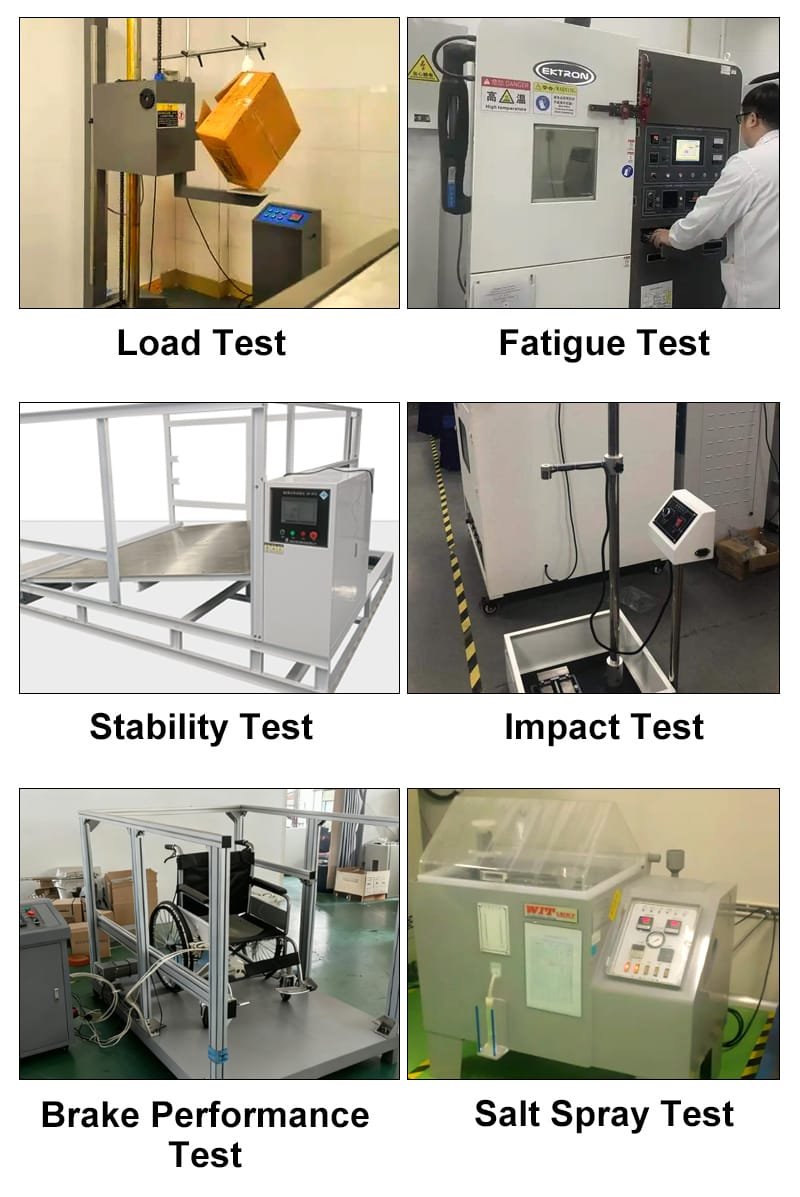
At Dinglian, our manufacturing team verifies coating adhesion and corrosion resistance through repeated humidity and thermal cycling tests, using the same testing equipment shown above. This is part of why buyers reviewing our our equipment capabilities often reassess how they evaluate surface finishing.
Structural Stability Under Heat-Induced Expansion
Heat does not only affect surfaces—it affects structure. Daily temperature shifts cause metal components to expand and contract, gradually loosening joints if tolerances are poorly controlled.
For wall-mounted or floor-supported commode handrails, even minor joint movement can reduce load stability. Over time, this becomes noticeable as wobble, noise, or uneven force distribution during use.
This is why experienced buyers increasingly ask about welding depth, joint reinforcement, and fatigue testing—not just nominal load ratings.
Cleaning Practices: An Overlooked Stress Factor
High-moisture environments also involve frequent cleaning. Disinfectants, warm water, and abrasive tools combine with heat to accelerate surface wear.
In buyer feedback collected over multiple markets, products that perform well in dry testing environments often degrade faster once exposed to daily chemical cleaning. This reinforces why surface treatment quality must be evaluated alongside material selection.
Why Buyers Choose Dinglian as a Long-Term Manufacturer Partner
Buyers who work with Dinglian manufacturer and Dinglian factory teams often share a similar concern: reducing hidden risk after installation. Rather than focusing on appearance alone, we build products for long-term exposure to moisture and heat.
- Verified corrosion resistance testing under humid conditions
- Controlled welding and reinforcement at high-stress joints
- Consistent surface treatment across production batches
These practices are rooted in our company background and manufacturing philosophy, which you can explore further on our about us page.
Procurement Takeaway: Matching Product Design to Real Bathroom Conditions
Moisture and heat are not edge cases—they are everyday realities in bathroom care environments. Buyers who account for these conditions early reduce long-term risk, warranty claims, and end-user dissatisfaction.
If you are evaluating or developing commode handrail products for demanding environments, aligning material choice, surface treatment, and structural design is no longer optional—it is essential.
For detailed specifications or project discussions, our team is always available through the contact us page.