
Lightweight Care Equipment Failures: Why Do They Happen So Fast in Facilities
In many care facilities, lightweight care equipment is often selected with good intentions: easier handling, faster installation, lower transport cost, and an appealing price point. However, procurement teams frequently discover that these products fail far earlier than expected — sometimes within months rather than years.
This article explains why lightweight equipment fails so quickly in facilities, what design and material decisions drive those failures, and how experienced buyers distinguish truly durable solutions from products that only look efficient on paper.
Why “Lightweight” Means Something Very Different in Care Facilities
In home-use scenarios, lightweight products are used by one individual, a few times per day, under relatively controlled conditions. Care facilities operate under a completely different reality.
- Multiple users per day with varying body weights
- Repeated transfers by different caregivers
- Cleaning with chemicals and hot water
- Continuous rolling, repositioning, and stacking
In this environment, lightweight becomes a structural trade-off unless the product is specifically engineered for institutional use.
The Hidden Stress Points Lightweight Designs Cannot Absorb
1. Joint Fatigue Appears Before Frame Failure
Most failures in lightweight equipment do not begin with dramatic frame collapse. They start quietly at connection points: weld seams, rivets, plastic sockets, and adjustable joints.
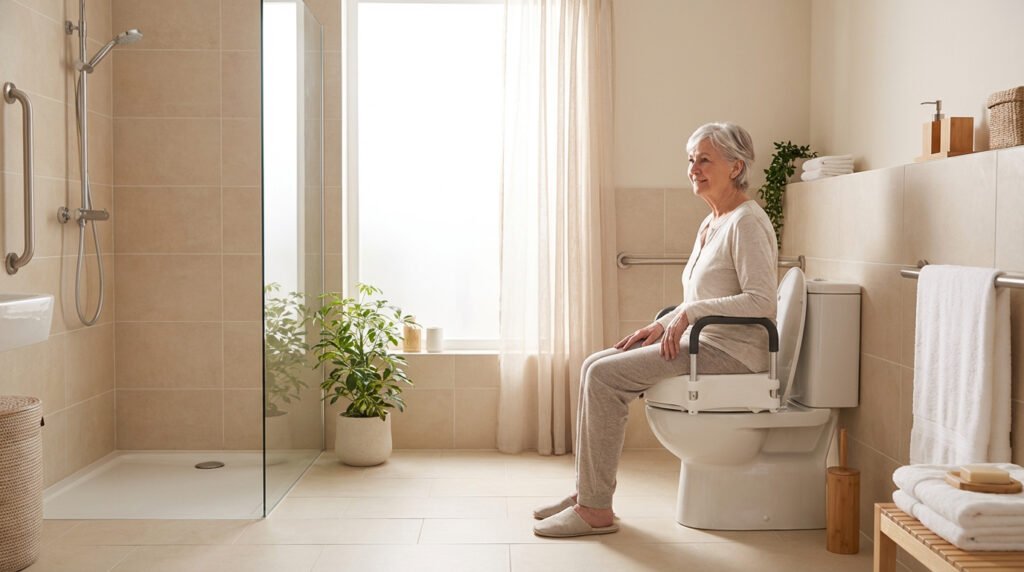
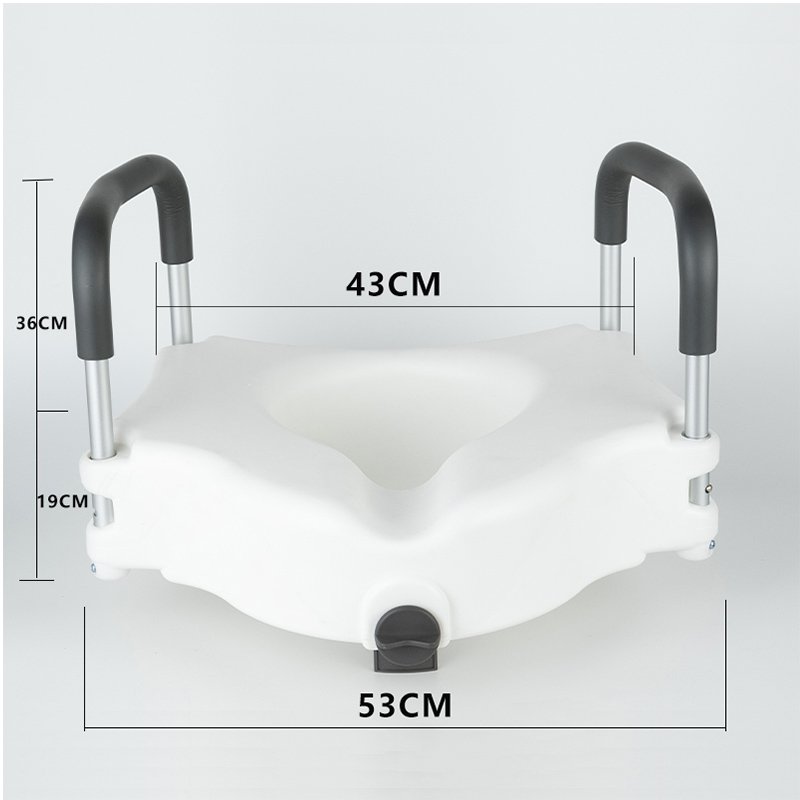
In products such as commode chairs or toilet height boosters, repeated lateral loading during transfers creates micro-movements that lightweight materials cannot dissipate over time.
2. Thin Wall Tubing Deforms Long Before It Breaks
To reduce weight, many manufacturers reduce tube wall thickness. While this passes initial static load tests, it performs poorly under cyclic stress.
| Design Choice | Result in Facility Use |
|---|---|
| Ultra-thin aluminum tubing | Gradual oval deformation, wobble |
| Plastic reinforcement collars | Cracking after repeated cleaning |
| Minimal weld length | Early fatigue failure |
Why Caregivers Experience More Injuries With Lightweight Equipment
Ironically, equipment designed to be “easy to move” often increases caregiver injury risk.
When a product flexes unexpectedly or shifts during transfers, caregivers instinctively compensate with their own bodies — leading to wrist strain, shoulder overload, and lower back injuries.
This is why many facilities gradually replace lightweight products with more stable alternatives such as reinforced walking aids or heavier-duty bathroom supports, even if the initial purchase cost is higher.
What Experienced Buyers Look for Instead of “Lightweight” Labels
Seasoned procurement teams no longer evaluate products by weight alone. They focus on performance indicators that correlate with long-term reliability.
- Load behavior under repeated cycles
- Joint reinforcement methods
- Wall thickness consistency
- Cleaning resistance and corrosion control
As a long-term manufacturer, supplier, and factory serving care facilities, Zhongshan Dinglian Rehabilitation Equipment Co., Ltd. has seen that durability is rarely visible in a catalog — it is revealed only through usage patterns.
Why Facility-Grade Design Costs More — and Saves More
Products engineered for institutional environments often weigh slightly more, but they last significantly longer.
This extended lifecycle reduces:
- Replacement frequency
- Downtime due to equipment failure
- Caregiver injury compensation risk
- Compliance audit concerns
How to Evaluate Lightweight Claims Before Buying
Before selecting any “lightweight” solution, buyers should request:
- Fatigue test data
- Real-use load cycle assumptions
- Joint and weld design explanations
- Material thickness specifications
If these answers are vague, the product is likely optimized for showroom appeal rather than facility reality.
FAQ: Common Buyer Questions
Is lightweight equipment always unsuitable for care facilities?
No. Lightweight designs can perform well if engineered specifically for repeated institutional use with reinforced joints and appropriate material thickness.
Which certifications matter most?
Certifications such as CE, FDA, UKCA, ISO 13485, and ISO 9001 indicate controlled manufacturing processes, but durability still depends on design execution.
Can products be customized for facility use?
Yes. Custom reinforcement, material upgrades, and usage-specific design adjustments are often available through experienced factories.
Choosing Equipment That Survives Real Use
If you are evaluating products for long-term facility use, focusing on design behavior under stress is far more valuable than chasing the lowest weight or price.
To discuss application-specific solutions or request technical details, visit our Contact Us page or learn more about our manufacturing background on the Product section.