
The Complete Guide to Walking Canes and Crutches in 2026
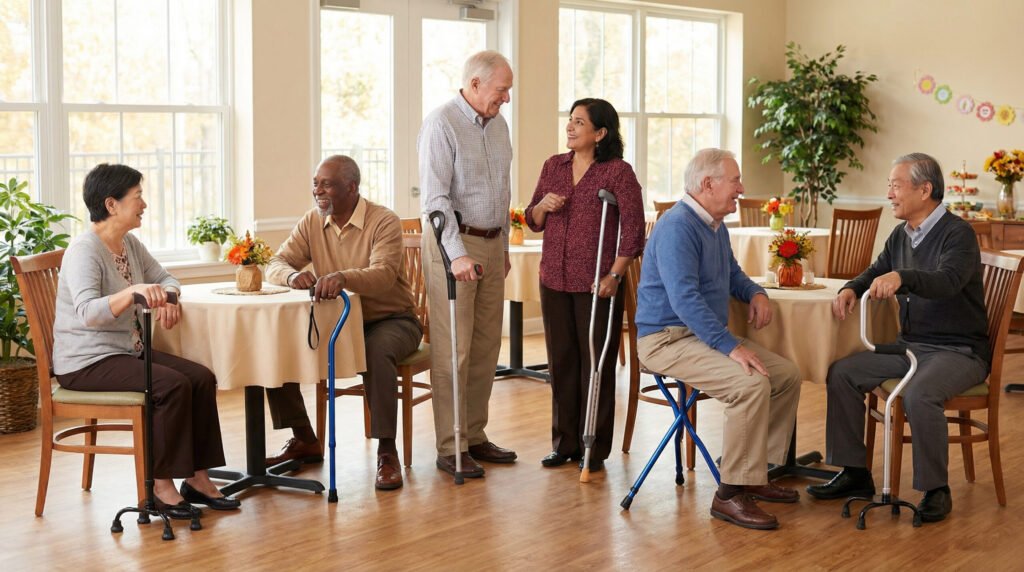
Choosing the right walking cane or crutches is no longer just about mobility support. For distributors, pharmacies, rehabilitation brands, and medical equipment importers, product stability, ergonomic design, certification systems, and long-term supply reliability now directly affect repeat orders and customer satisfaction.
In 2026, the global mobility aids market continues expanding due to aging populations, post-surgery rehabilitation demand, and increased awareness around elderly walking support products. Buyers are no longer sourcing only standard aluminum walking sticks. They are looking for ergonomic crutches, adjustable walking canes, foldable mobility aids, and safer rehabilitation support systems that match real user needs.
This guide combines practical sourcing experience, rehabilitation product knowledge, and frontline export insights to help distributors and buyers better understand how walking canes, walking sticks, and crutches are evolving across global healthcare markets.
Why Mobility Aids Are Becoming a Core Product Category in Global Healthcare
Ten years ago, many distributors treated mobility aids as secondary rehabilitation products with relatively stable but limited demand. That has changed significantly. Today, walking cane and crutches categories are becoming long-term growth segments across pharmacies, rehabilitation distributors, elderly care retailers, and medical procurement channels.
One reason is demographic change. Countries across Europe, North America, Japan, South Korea, and Southeast Asia are facing rapidly aging populations. Elderly consumers are living longer, but mobility limitations are also increasing. Families now pay closer attention to walking stability, fall prevention, and rehabilitation safety inside the home.
At the same time, hospitals are shortening inpatient recovery periods. More patients are recovering at home after orthopedic surgery, hip replacement procedures, sports injuries, or neurological rehabilitation. That creates continuous demand for walking crutches, underarm crutches, forearm crutches, and ergonomic walking support products.
Many experienced importers now view mobility aids as “repeat purchase healthcare products” rather than one-time seasonal items. Products such as adjustable walking canes and folding crutches often generate stable reorder cycles because end users require replacement tips, upgraded designs, or secondary support products over time.
This shift also explains why more rehabilitation distributors are paying attention to manufacturer stability, OEM flexibility, and long-term production capability instead of focusing only on low pricing.
What Is the Difference Between a Walking Cane, Walking Stick, and Crutches?
One of the most common questions buyers ask during product sourcing is whether walking canes, walking sticks, and crutches are simply different names for the same product category. In reality, each serves a different rehabilitation purpose and targets different end-user conditions.
Walking Cane
A walking cane is generally designed to provide balance assistance and moderate weight support for elderly users or patients with limited walking stability. Modern walking canes often include adjustable height systems, ergonomic handles, anti-slip rubber tips, and lightweight aluminum frames.
Walking canes are commonly used by:
- Elderly users needing balance assistance
- Patients recovering from mild lower-body injuries
- Users with arthritis or joint discomfort
- Individuals requiring everyday walking stability indoors and outdoors
Walking Stick
The term “walking stick” is sometimes used interchangeably with walking cane, especially in European and outdoor retail markets. However, walking sticks are often associated with lighter support applications, outdoor walking, hiking assistance, or casual elderly support.
Compared with medical walking canes, walking sticks may place less emphasis on rehabilitation functionality and more on portability or general walking assistance.
Crutches
Crutches are designed for users requiring higher levels of body weight support. Unlike walking canes, crutches redistribute body weight through the arms and upper body, helping reduce pressure on injured legs or recovering joints.
Common crutch categories include:
- Forearm crutches
- Elbow crutches
- Underarm crutches
- Ergonomic crutches
- Adjustable aluminum crutches
In rehabilitation environments, crutches are frequently recommended after surgery, fractures, sports injuries, or temporary mobility limitations.
| Product Type | Main Function | Typical Users | Support Level |
|---|---|---|---|
| Walking Cane | Balance assistance | Elderly users | Moderate |
| Walking Stick | Light walking support | Outdoor users | Light |
| Forearm Crutches | Weight redistribution | Rehabilitation patients | High |
| Underarm Crutches | Temporary mobility support | Post-surgery recovery | Very High |
Why Are Adjustable Walking Canes Dominating International Demand?
Adjustable walking canes are becoming one of the fastest-growing mobility aid categories for several practical reasons. Buyers increasingly prefer adjustable models because they reduce SKU complexity while supporting broader end-user compatibility.
For distributors, adjustable walking canes simplify inventory management. Instead of stocking multiple fixed-height versions, suppliers can offer a smaller number of adjustable models that fit a wider range of users.
For end users, adjustability improves comfort and rehabilitation safety. Incorrect cane height often causes shoulder fatigue, wrist discomfort, poor walking posture, or instability during daily movement.
Modern adjustable canes also integrate features such as:
- Push-button height adjustment
- Foldable structures for travel
- Palm grip ergonomic handles
- Offset handle weight distribution
- Quad cane stability bases
- Lightweight anodized aluminum tubing
In North American and European rehabilitation markets, foldable adjustable walking canes are especially popular among elderly consumers who require portable mobility aids during travel, shopping, or outpatient rehabilitation visits.
Distributors sourcing mobility aids in 2026 are also paying closer attention to handle comfort. Palm grip handle canes and ergonomic offset handle canes continue gaining popularity because they reduce pressure concentration during long-term use.
Buyers evaluating walking cane suppliers should therefore pay attention not only to appearance but also to:
- Tube wall thickness
- Adjustment lock stability
- Rubber tip durability
- Grip material quality
- Load-bearing testing consistency
- Surface oxidation treatment
How Do Buyers Evaluate Walking Cane and Crutches Manufacturers Today?
Experienced rehabilitation equipment buyers rarely choose suppliers based only on quotation sheets anymore. In real procurement environments, product consistency, communication efficiency, certification reliability, and long-term manufacturing stability usually matter much more than saving a few cents per unit.
This is especially true in mobility aids categories. A walking cane or pair of crutches may appear simple, but small production issues can quickly lead to customer complaints, distributor losses, or damaged brand reputation.
For example, many importers have encountered situations where:
- Rubber tips wear out too quickly
- Height adjustment buttons loosen after repeated use
- Foam grips crack during transportation
- Aluminum tubes bend under pressure
- Uneven welding affects stability
- Anodized surfaces scratch easily during shipping
These problems often do not appear during early sample inspection. They usually emerge after products enter retail circulation or rehabilitation environments. That is why professional buyers now focus more heavily on manufacturing process control rather than only product appearance.
Production Stability Matters More Than Low Pricing
Many rehabilitation distributors initially chase low quotations when entering mobility aid categories. However, experienced buyers usually realize that unstable suppliers create larger long-term costs.
A supplier offering extremely low prices may later struggle with:
- Late shipments
- Inconsistent product dimensions
- Packaging problems
- Certification issues
- Weak after-sales communication
- Material substitutions without notice
For mobility aids products, stable manufacturing systems often become more valuable than aggressive pricing strategies.
This is one reason why many overseas distributors now prefer working with specialized rehabilitation equipment manufacturers rather than general hardware factories entering the medical support sector temporarily.
If you are comparing mobility aid suppliers, reviewing actual production capability is essential. You can explore our rehabilitation production environment and manufacturing equipment here:
→ View Our Rehabilitation Manufacturing Equipment
What Makes Forearm Crutches Different From Underarm Crutches?
Forearm crutches and underarm crutches serve different rehabilitation purposes, although many first-time buyers initially treat them as interchangeable products.
In reality, hospitals, rehabilitation centers, pharmacies, and elderly care distributors often purchase both categories because they support different recovery stages and user conditions.
Forearm Crutches
Forearm crutches, sometimes called elbow crutches or arm walking crutches, are widely used for long-term rehabilitation support. These products feature forearm cuffs and ergonomic hand grips that allow users to redistribute body weight more naturally through the upper body.
Forearm crutches are commonly preferred for:
- Long-term rehabilitation programs
- Neurological recovery
- Users with partial lower-body mobility
- Patients requiring improved walking independence
- European rehabilitation markets
Compared with underarm crutches, forearm crutches generally provide better maneuverability and long-term comfort.
Underarm Crutches
Underarm crutches are more commonly used during temporary injury recovery periods such as fractures, sports injuries, or post-surgical rehabilitation.
They provide higher weight-bearing support and are often used immediately after injury when users cannot place significant pressure on one leg.
However, prolonged use of underarm crutches without proper adjustment may create underarm discomfort or shoulder fatigue. That is why ergonomic design and correct height adjustment are increasingly important.
| Feature | Forearm Crutches | Underarm Crutches |
|---|---|---|
| Support Method | Forearm + Hand | Underarm + Hand |
| Best For | Long-term rehabilitation | Temporary injuries |
| Mobility Flexibility | Higher | Moderate |
| Weight Support | Moderate to High | Very High |
| Common Markets | Europe | North America |
Understanding these differences helps distributors avoid overstocking the wrong rehabilitation product category for their target market.
Why Ergonomic Design Is Becoming a Competitive Advantage
A major trend in the mobility aids industry is the transition from “basic functional support” toward “daily comfort and long-term usability.”
Several years ago, many walking cane buyers mainly focused on tube strength and pricing. Today, distributors increasingly evaluate:
- Grip comfort
- Pressure distribution
- Shock absorption
- User fatigue reduction
- Lightweight mobility
- Indoor maneuverability
This shift is changing product development priorities across the rehabilitation equipment industry.
For example, offset handle canes are gaining popularity because the handle positioning improves weight distribution and reduces wrist pressure during prolonged use.
Similarly, palm grip handle canes are becoming more common among elderly users experiencing arthritis or reduced grip strength.
In the crutches category, ergonomic forearm crutches with softer grips and improved cuff structures are increasingly preferred for rehabilitation environments where patients rely on mobility support for several months rather than several days.
End Users Are Now More Informed
One important market shift many suppliers underestimate is how informed elderly consumers and caregivers have become.
Today’s buyers often compare:
- Handle materials
- Tube thickness
- Weight capacity
- Adjustment mechanisms
- Portability
- User comfort reviews
This is particularly visible in online pharmacy channels and rehabilitation e-commerce platforms where user reviews strongly influence purchasing decisions.
As a result, distributors are under increasing pressure to source mobility aids from manufacturers capable of maintaining stable quality consistency over long production cycles.
How Are Different Countries Buying Mobility Aids in 2026?
Procurement behavior varies significantly across different regions. Buyers entering international rehabilitation markets should understand these differences before selecting product structures or OEM strategies.
North America
North American distributors prioritize lightweight aluminum mobility aids, ergonomic walking canes, foldable products, and attractive retail packaging.
FDA registration awareness also influences purchasing decisions in many healthcare distribution channels.
Europe
European rehabilitation markets generally focus more heavily on ergonomic comfort, long-term usability, and minimalist product design.
Forearm crutches are particularly common in many European healthcare systems.
Southeast Asia
Southeast Asian buyers often prioritize practical durability and balanced pricing. Compact foldable mobility aids are becoming increasingly popular in urban environments with limited storage space.
South America
In South American markets, distributors frequently look for rehabilitation products that combine affordability with stable quality consistency.
Aluminum walking canes and underarm crutches remain strong-volume categories across many regions.
If you are evaluating long-term rehabilitation equipment suppliers, understanding the manufacturer’s export experience is extremely important. You can learn more about our production background and rehabilitation manufacturing experience here:
→ Learn More About Dinglian Rehabilitation Equipment Manufacturer
What Mistakes Do Buyers Commonly Make When Sourcing Walking Canes and Crutches?
Many first-time buyers entering the mobility aids sector focus heavily on appearance and pricing while overlooking long-term product performance. In rehabilitation markets, small structural weaknesses can quickly become serious commercial problems once products reach pharmacies, hospitals, or elderly users.
One common sourcing mistake is selecting mobility aids entirely based on quotation comparison. Extremely low-cost products may initially appear attractive, but unstable materials and inconsistent manufacturing often create hidden after-sales risks.
For example, low-grade aluminum tubing may deform during long-term use. Weak adjustment buttons can loosen after repeated height changes. Inferior rubber tips may wear rapidly on smooth flooring surfaces, increasing slip risks for elderly users.
Experienced distributors usually evaluate mobility aid suppliers using broader standards such as:
- Production consistency
- Quality control systems
- OEM flexibility
- Packaging protection capability
- Certification management
- Export experience
- Communication efficiency
- Long-term supply stability
Another major mistake is ignoring real user experience during product selection.
A walking cane that looks visually modern may still perform poorly if the grip creates wrist pressure or if the product becomes unstable during extended daily use. In rehabilitation equipment categories, comfort directly affects customer satisfaction and repeat purchase behavior.
Why Product Testing Matters
Professional mobility aid manufacturers usually conduct repeated testing on:
- Static load capacity
- Fatigue resistance
- Rubber tip durability
- Handle stability
- Adjustment locking systems
- Frame balance performance
This becomes especially important in elderly walking support products where safety reliability strongly influences distributor reputation.
Today, rehabilitation buyers increasingly prefer suppliers capable of supporting stable long-term cooperation instead of short-term low-price transactions.
How Can Distributors Build Stronger Mobility Aid Product Lines?
Successful rehabilitation distributors rarely rely on only one mobility product category. Instead, they gradually build complete walking support product systems that serve multiple rehabilitation stages and user groups.
For example, many distributors now combine:
- Adjustable walking canes
- Foldable walking sticks
- Quad canes
- Forearm crutches
- Underarm crutches
- Rollators and walkers
- Bathroom safety products
This strategy increases average order value while improving customer retention.
From a purchasing perspective, buyers also benefit from working with rehabilitation manufacturers capable of producing multiple mobility aid categories under consistent quality systems.
This helps reduce:
- Supplier management complexity
- Shipping coordination problems
- Packaging inconsistency
- Certification verification delays
- Production communication risks
OEM Flexibility Is Becoming More Important
Private-label rehabilitation products continue growing across global healthcare markets. More distributors want custom packaging, branded user manuals, retail-ready labeling, and tailored mobility aid designs.
As a result, OEM flexibility is no longer optional for many buyers.
Distributors increasingly look for mobility aid manufacturers capable of supporting:
- Logo customization
- Retail packaging development
- Color customization
- User manual printing
- Barcode integration
- Carton optimization
- Mixed-container loading
This is one reason why specialized rehabilitation equipment factories are gaining stronger positions in international mobility aid supply chains.
Why More International Buyers Are Looking Beyond Trading Companies
Over the past few years, many overseas buyers have started moving away from purely trading-based procurement models and are seeking more direct access to rehabilitation equipment manufacturers.
One reason is transparency. Buyers want clearer visibility into:
- Actual production capability
- Factory management systems
- Quality inspection procedures
- Production lead times
- Material sourcing stability
Direct cooperation with a professional walking cane manufacturer or rehabilitation factory also improves communication speed during OEM projects and quality discussions.
For example, when adjusting cane tube thickness, changing grip materials, or improving crutch packaging protection, direct technical communication often reduces misunderstanding and development delays.
This explains why more importers now prioritize suppliers with stable manufacturing infrastructure and long-term rehabilitation export experience.
If you are comparing rehabilitation equipment suppliers and evaluating long-term cooperation opportunities, reviewing industry positioning and manufacturing background can help simplify decision-making.
→ Explore Leading Walking Cane Manufacturers in China
Frequently Asked Questions About Walking Canes and Crutches
What is the difference between a walking cane and a walking stick?
A walking cane is generally designed for rehabilitation support and balance assistance, while a walking stick is often associated with lighter walking support or outdoor use.
Are aluminum crutches better than steel crutches?
Aluminum crutches are lighter, easier to transport, and more comfortable for many users during long-term rehabilitation. Steel crutches may provide higher strength but are usually heavier.
Which mobility aid is best for elderly users?
The answer depends on the user’s mobility condition. Many elderly users prefer adjustable walking canes or quad canes because they provide improved balance support while remaining lightweight and practical for indoor use.
Why are forearm crutches popular in Europe?
Forearm crutches provide better mobility flexibility and long-term comfort, making them suitable for extended rehabilitation programs commonly seen across European healthcare systems.
What should distributors focus on when sourcing mobility aids?
Professional buyers usually evaluate product stability, certification systems, ergonomic design, production consistency, packaging quality, and long-term supplier reliability instead of only comparing prices.
Final Thoughts
The global mobility aids market is evolving quickly. Walking canes, walking sticks, and crutches are no longer viewed as simple low-value rehabilitation accessories. They are becoming increasingly important products within elderly care, home rehabilitation, hospital recovery, and long-term mobility support systems.
For distributors and healthcare buyers, choosing the right rehabilitation equipment supplier now involves much more than finding competitive pricing. Manufacturing stability, ergonomic product design, certification management, OEM capability, and long-term communication reliability all directly influence future business growth.
As international demand for elderly walking support products continues rising, distributors who invest in stable mobility aid product systems will likely remain more competitive in both retail and rehabilitation supply markets.
Companies with strong manufacturing management, rehabilitation product experience, and flexible OEM support are becoming increasingly valuable long-term partners in the global healthcare industry.
If you are planning to expand your rehabilitation equipment business or source walking canes, crutches, and mobility aids from an experienced manufacturer, our team can help support your OEM and wholesale projects.
→ Contact Our Rehabilitation Equipment Team