
Why “Simple” Products Require the Most Thoughtful Design
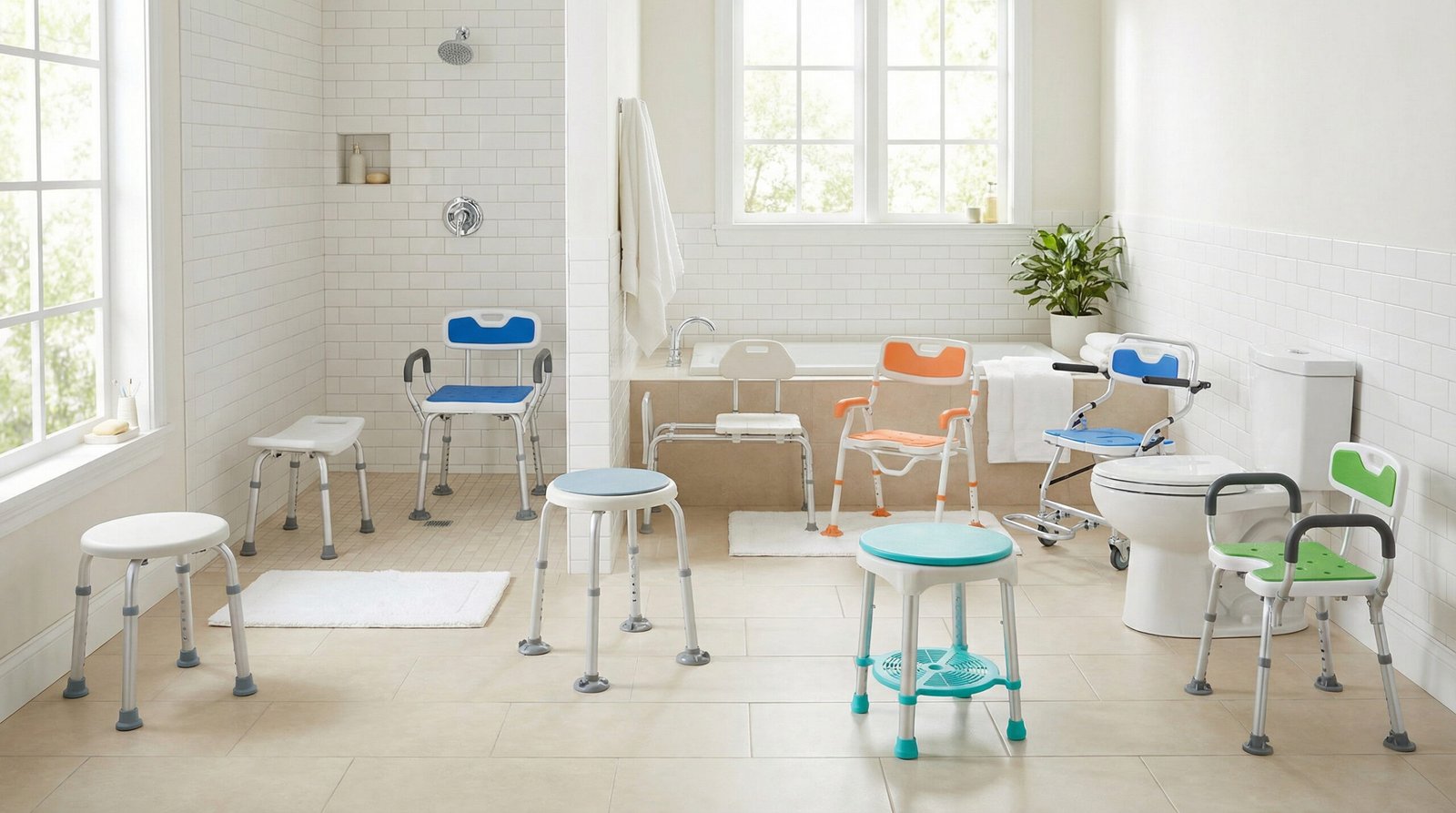
Many buyers ask the same question early in a project: why do “simple” rehabilitation products fail so often in real use? On paper, items like a shower chair appear straightforward—no electronics, no complex mechanisms, no software risk. Yet in hospitals, home care settings, and long-term facilities, these “simple” products are frequently involved in user complaints, returns, or safety incidents. The answer is not material cost or missing features. It is design decisions made without fully understanding daily use, human behavior, and regulatory realities.
Where Do “Simple” Products Actually Create Risk?
In procurement discussions, simplicity is often mistaken for low design effort. A shower chair is expected to be stable, intuitive, easy to clean, and universally usable. However, these expectations hide multiple risk layers that only appear after deployment.
Risk 1: Assumed User Behavior
Designers frequently assume users sit down slowly, adjust their posture correctly, and apply weight evenly. Real-world use shows something else: caregivers reposition patients quickly, users lean to one side, and transfers happen under time pressure. When these realities are ignored, even a visually solid chair can become unstable.
Risk 2: One-Size-Fits-All Dimensions
Across markets, the same product is described differently—silla de ducha (Spanish), cadeira de banho (Portuguese), كرسي الاستحمام (Arabic), chaise de douche (French), душевой стул (Russian). These names reflect different user expectations. Seat height, width, and back angle that work in one region may be unsuitable in another.
Why Over-Simplification Happens in Product Development
Over-simplification rarely comes from lack of care. It usually results from fragmented responsibility. Engineering teams focus on structural strength, sourcing teams prioritize cost targets, and sales teams request visual consistency. What gets lost is holistic usage thinking.
- Design reviews based only on static load tests
- Ignoring cleaning cycles and chemical exposure
- No simulation of caregiver-assisted movement
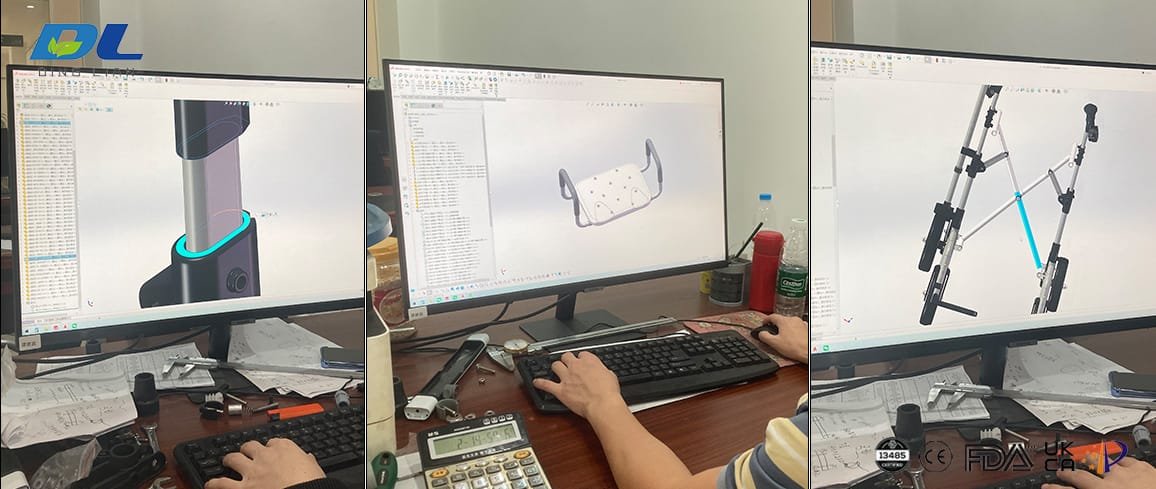
This is where experienced manufacturers differ. At Dinglian Rehabilitation Equipment manufacturer, product reviews involve not just drawings, but repeated scenario testing aligned with real care environments.
How Thoughtful Design Reduces Long-Term Procurement Risk
Thoughtful design does not mean adding features. It means removing uncertainty for buyers. Procurement teams evaluate not only unit price, but failure rate, complaint handling, and replacement cycles.
| Design Focus | Procurement Impact |
|---|---|
| Seat contour & drainage | Reduced hygiene complaints |
| Tool-free adjustment logic | Lower setup errors |
| Material fatigue testing | Longer service life |
Buyers sourcing bath chairs for elderly or medical shower chairs consistently report that post-sale issues matter more than initial specifications.
For practical examples, our shower chair range reflects these design principles across multiple use cases.
Behind each product is a documented process visible in our equipment and testing workflow.
This approach is shaped by over two decades of manufacturing experience, outlined on our about us page.
Choosing a Partner, Not Just a Product
When products appear simple, the cost of design mistakes is often hidden until deployment. Experienced buyers understand that thoughtful design is a form of risk management. Working with a factory that understands real-world use scenarios protects not only end users, but procurement credibility.
If you are evaluating suppliers or entering the rehabilitation equipment market, contact us to discuss how design decisions translate into long-term value.
Dinglian Rehabilitation Equipment factory continues to support buyers who prioritize safety, usability, and sustainable product performance.