
Forearm Crutches vs Underarm Crutches
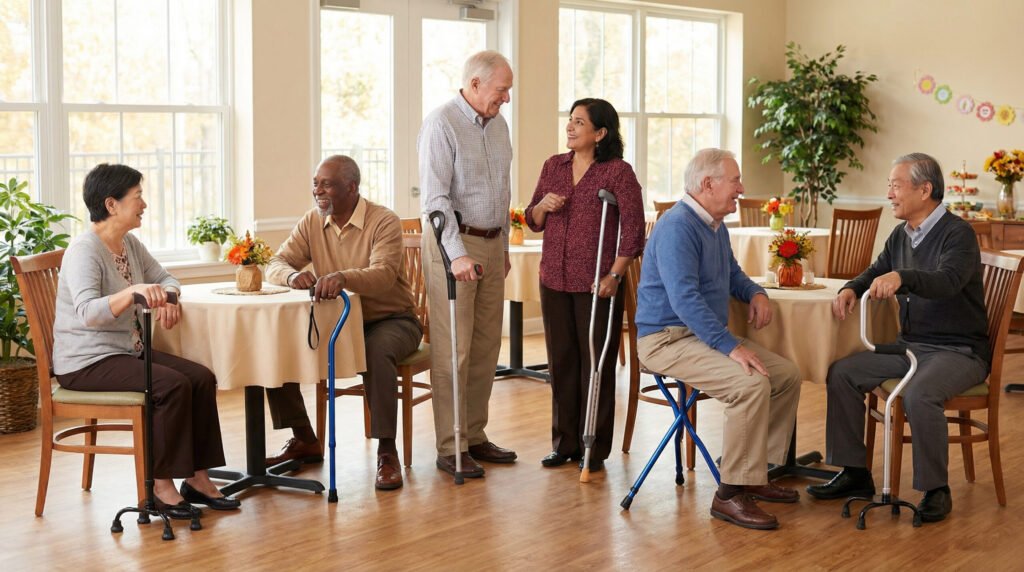
Forearm crutches and underarm crutches may look similar to inexperienced buyers, but in rehabilitation markets they serve completely different user groups, recovery stages, and healthcare environments. Understanding these differences is essential for distributors, hospitals, pharmacies, and rehabilitation suppliers looking to reduce purchasing mistakes and improve long-term customer satisfaction.
In 2026, demand for ergonomic crutches, elbow crutch systems, and lightweight auxiliary crutch products continues rising due to aging populations, orthopedic surgeries, sports rehabilitation, and home recovery programs. At the same time, buyers are becoming far more selective about comfort, weight distribution, and long-term usability.
This guide compares forearm crutches and underarm crutches from real rehabilitation usage, distributor sourcing experience, and international mobility aid market trends.
Why Hospitals and Rehabilitation Buyers Treat These Crutches as Different Categories
One common misunderstanding among first-time mobility aid importers is assuming that all crutches belong to one general product category. In real rehabilitation environments, forearm crutches and underarm crutches are usually managed separately because they support different stages of patient recovery.
Hospitals often choose underarm crutches for short-term injury recovery, while rehabilitation centers may prefer forearm crutches for longer-term mobility training and neurological rehabilitation.
This distinction directly affects:
- Inventory planning
- Patient comfort
- User mobility independence
- Long-term rehabilitation outcomes
- Distributor product positioning
Many rehabilitation distributors notice that forearm crutches generate fewer long-term comfort complaints compared with traditional underarm crutches. This is one reason ergonomic crutches continue gaining popularity across European and premium rehabilitation markets.
For distributors building professional rehabilitation product lines, understanding actual usage environments matters far more than simply comparing aluminum tube specifications.
What Are Forearm Crutches and Why Are They Becoming More Popular?
Forearm crutches, also commonly called elbow crutch systems, are designed to redistribute body weight through the hands and forearms instead of placing pressure under the armpits.
These crutches usually include:
- Forearm cuffs
- Ergonomic hand grips
- Adjustable aluminum tubes
- Anti-slip rubber tips
- Lightweight mobility structures
Compared with traditional auxiliary crutch designs, forearm crutches allow users to move more naturally and maintain better walking flexibility during rehabilitation.
Why Rehabilitation Centers Prefer Forearm Crutches
Many rehabilitation specialists prefer forearm crutches because they encourage improved posture and more active mobility participation.
They are commonly used for:
- Long-term rehabilitation
- Neurological recovery
- Partial lower-limb weakness
- Balance training
- Chronic mobility support
Forearm crutches are especially common in European rehabilitation systems where patient independence and mobility flexibility are strongly emphasized.
| Feature | Forearm Crutches | Typical User | Rehabilitation Purpose |
|---|---|---|---|
| Support Position | Forearm + hand | Long-term users | Mobility training |
| Movement Flexibility | Higher | Active rehabilitation users | Walking independence |
| Weight Distribution | Balanced | Neurological recovery | Comfort improvement |
| Portability | Lightweight | Daily users | Indoor & outdoor use |
| Comfort Level | Higher long-term comfort | Extended rehab users | Reduced fatigue |
For mobility aid distributors targeting premium rehabilitation markets, ergonomic forearm crutches are becoming increasingly important product categories.
What Are Underarm Crutches Mainly Used For?
Underarm crutches remain one of the most widely recognized mobility aid products globally. These products are specifically designed to provide high-level weight-bearing support during temporary injury recovery.
Unlike elbow crutch systems, underarm crutches place body support partially beneath the armpits while users stabilize movement through hand grips.
They are commonly used for:
- Fracture recovery
- Sports injuries
- Post-surgical rehabilitation
- Short-term mobility limitations
- Emergency mobility assistance
Why Underarm Crutches Remain Important
Although ergonomic forearm crutches are growing rapidly, underarm crutches still remain essential because they provide stronger initial weight redistribution during early recovery stages.
Patients who cannot place significant pressure on one leg often require the additional support provided by underarm crutches.
When sourcing underarm crutches, buyers should pay close attention to underarm padding quality and grip comfort. Many user complaints come from prolonged pressure discomfort rather than structural failure. Soft-touch materials and ergonomic grip positioning can significantly improve long-term user satisfaction.
In North American and hospital procurement channels, adjustable underarm crutches remain strong-volume rehabilitation products due to their broad short-term recovery applications.
Forearm Crutches vs Underarm Crutches: Which Offers Better Long-Term Comfort?
Long-term comfort has become one of the biggest decision-making factors in the modern rehabilitation market. Ten years ago, many buyers mainly evaluated crutches based on aluminum tube strength and pricing. Today, comfort complaints often influence customer reviews more strongly than structural complaints.
This is especially important for users recovering over several weeks or months rather than several days.
Why Forearm Crutches Feel More Natural for Many Users
Forearm crutches distribute support more evenly across the forearms and hands, reducing concentrated pressure beneath the shoulders and armpits.
Users often report advantages such as:
- Less shoulder fatigue
- Improved posture control
- More natural walking rhythm
- Higher movement flexibility
- Better stair maneuverability
This is one reason ergonomic crutches are increasingly recommended for users requiring longer rehabilitation periods.
Challenges Associated With Underarm Crutches
Underarm crutches provide stronger early-stage support, but prolonged use can sometimes create:
- Underarm discomfort
- Shoulder pressure
- Upper-body fatigue
- Reduced movement flexibility
- Skin irritation during extended use
These issues do not mean underarm crutches are inferior products. They simply serve different rehabilitation purposes.
| Comfort Factor | Forearm Crutches | Underarm Crutches | Best Usage Scenario |
|---|---|---|---|
| Long-Term Comfort | Higher | Moderate | Extended rehabilitation |
| Weight Support | Moderate to High | Very High | Post-surgery recovery |
| Mobility Flexibility | Higher | Moderate | Daily movement |
| Fatigue Reduction | Better distribution | More upper-body pressure | Long walking periods |
| User Independence | Higher | Moderate | Active rehabilitation |
For rehabilitation distributors, understanding these comfort differences helps improve product recommendations and reduce mismatch-related returns.
Real Rehabilitation Product Comparison: Forearm Crutches vs Underarm Crutches in Daily Use
In real rehabilitation environments, the difference between forearm crutches and underarm crutches becomes much clearer once users begin daily movement training. Buyers supplying hospitals, rehabilitation centers, and elderly care distributors usually discover that product structure directly affects user comfort, recovery efficiency, and long-term satisfaction.
Instead of comparing only appearance or pricing, experienced rehabilitation buyers often evaluate how different crutch systems perform during actual mobility scenarios.
DL-5061B Elbow Crutch: Lightweight Support for Long-Term Rehabilitation
The DL-5061B elbow crutch is designed for users requiring lightweight daily mobility support and improved movement flexibility during rehabilitation.
Compared with traditional auxiliary crutch systems, ergonomic forearm crutches help distribute pressure more naturally through the forearm and hand areas. This usually reduces upper-body fatigue during extended walking periods.
| Model | DL-5061B Elbow Crutch | Specification | Rehabilitation Advantage |
|---|---|---|---|
| Material | Aluminum Alloy | Lightweight Structure | Easier daily movement |
| Load Capacity | 125KG | Stable Support | Suitable for adult rehabilitation users |
| Handle Design | Ergonomic Handle | 13CM Grip Size | Reduced palm fatigue |
| Height Adjustment | 10-Step Adjustment | 103~125CM | Flexible user matching |
| Foot Pads | Anti-Slip Design | Improved Ground Stability | Safer indoor walking |
| Weight | N.W. 0.5KG | Portable Structure | Better mobility flexibility |
Many rehabilitation distributors prefer lightweight elbow crutch systems like DL-5061B for:
- Neurological rehabilitation
- Long-term mobility support
- Elderly walking assistance
- Balance recovery training
- Home rehabilitation programs
In premium rehabilitation markets, users increasingly prioritize movement comfort over purely structural support. Lightweight ergonomic crutches with stable forearm support often receive stronger long-term customer feedback compared with traditional basic crutch systems.
DL-5072 Underarm Crutches: Stronger Early-Stage Weight Redistribution
The DL-5072 underarm crutches are designed for users requiring higher upper-body support during temporary injury recovery or post-surgical rehabilitation.
Compared with forearm crutches, underarm crutches provide stronger initial weight redistribution, especially for users who cannot safely load pressure onto one leg during early recovery stages.
| Model | DL-5072 Underarm Crutches | Specification | Rehabilitation Advantage |
|---|---|---|---|
| Material | Aluminum Alloy | Durable Lightweight Frame | Hospital rehabilitation use |
| Load Capacity | 125KG | Stable Weight Support | Stronger temporary assistance |
| Grip System | 5-Position Adjustment | 20CM Handle Size | Improved hand positioning |
| Height Adjustment | 9-Step Adjustment | 114.5~134.5CM | Multi-user compatibility |
| Foot Pads | Anti-Slip Design | Enhanced Stability | Safer rehabilitation movement |
| Weight | N.W. 1.1KG | Stable Structural Design | Higher support capability |
Underarm crutches like DL-5072 are commonly selected for:
- Post-surgery rehabilitation
- Orthopedic recovery
- Sports injury treatment
- Temporary mobility limitation
- Hospital recovery programs
When comparing elbow crutch and underarm crutch systems, buyers should evaluate rehabilitation stage suitability instead of treating both products as direct replacements. Long-term mobility users often prioritize comfort and flexibility, while early-stage recovery users may require stronger upper-body support stability.
Many international distributors now prefer rehabilitation manufacturers capable of supplying both ergonomic forearm crutches and adjustable underarm crutches within one integrated mobility aid product system.
What Do Professional Buyers Usually Check Before Placing Orders?
Experienced rehabilitation buyers typically evaluate much more than appearance or quotations.
In real-world healthcare distribution, product consistency directly affects:
- Distributor reputation
- Customer complaints
- Retail return rates
- Long-term cooperation stability
Areas Buyers Commonly Inspect
- Aluminum tube thickness
- Forearm cuff durability
- Grip material quality
- Rubber tip wear resistance
- Adjustment button stability
- Carton protection performance
Many rehabilitation distributors also request testing information related to:
- Static load capacity
- Fatigue resistance
- Surface oxidation quality
- Long-term structural stability
If you would like to understand broader mobility aid product structures and rehabilitation market trends, you can also explore here:
→ Read The Complete Guide to Walking Canes and Crutches in 2026
Why More Rehabilitation Distributors Prefer Specialized Mobility Aid Manufacturers
Over the last several years, international rehabilitation buyers have become increasingly selective about supplier partnerships. Many distributors no longer focus only on factory scale or pricing. Instead, they evaluate whether suppliers truly understand rehabilitation usage environments.
This shift is especially important in mobility aid categories because crutches directly affect:
- User stability
- Recovery efficiency
- Walking confidence
- Long-term comfort
- Daily safety
As a result, rehabilitation buyers increasingly prefer specialized mobility aid manufacturers with stable export experience and dedicated rehabilitation production systems.
What Professional Rehabilitation Factories Usually Offer
- Stable aluminum processing systems
- Consistent ergonomic grip production
- Reliable load-bearing testing
- Long-term OEM cooperation support
- Improved packaging protection
- Better communication efficiency
These areas strongly affect long-term distributor success because rehabilitation buyers usually care more about stable repeat orders than short-term pricing differences.
Many distributors entering the rehabilitation industry initially underestimate how important comfort consistency is. In reality, small details such as grip softness, cuff flexibility, and adjustment stability often influence customer satisfaction more than cosmetic appearance.
Dinglian rehabilitation equipment manufacturer has continued expanding mobility aid production capabilities based on practical export experience and evolving rehabilitation market demand.
Many overseas buyers now prefer suppliers capable of supporting broader rehabilitation product systems instead of only individual auxiliary crutch categories.
You can also explore our rehabilitation equipment manufacturing background here:
→ Learn More About Our Rehabilitation Equipment Factory
Common Purchasing Mistakes in the Crutches Market
One common mistake among new mobility aid buyers is treating all crutches as standardized products. Although many auxiliary crutch products may appear visually similar, long-term rehabilitation performance can vary significantly depending on manufacturing quality and ergonomic design.
Common Problems Seen in Low-Quality Crutches
- Loose forearm cuffs
- Grip cracking after repeated use
- Weak adjustment locking systems
- Premature rubber tip wear
- Tube instability under higher pressure
- Packaging damage during transportation
These issues directly increase:
- Customer complaints
- Distributor warranty costs
- Online negative reviews
- Retail return rates
Experienced rehabilitation distributors therefore pay closer attention to structural consistency and long-term durability rather than only comparing sample appearance.
Another Mistake: Ignoring User Lifestyle
Different users require different mobility aid solutions.
For example:
- Young sports injury users may prioritize mobility flexibility
- Elderly rehabilitation users may prioritize stability and comfort
- Neurological rehabilitation users may require long-term ergonomic support
- Hospital buyers may prioritize high weight-bearing capacity
Understanding these differences helps distributors select more suitable crutch systems for specific healthcare channels.
How Should Buyers Build a Stronger Crutches Product Line?
Successful rehabilitation distributors rarely depend on only one crutch category. Instead, they build layered mobility aid systems covering multiple rehabilitation stages and patient conditions.
A stronger rehabilitation product structure often includes:
- Forearm crutches
- Underarm crutches
- Ergonomic crutches
- Lightweight elbow crutch systems
- Heavy-duty auxiliary crutches
- Walking canes
- Quad canes
- Bathroom safety products
This broader structure improves:
- Cross-selling opportunities
- Customer retention
- Distributor professionalism
- Long-term purchasing relationships
Many rehabilitation distributors also increasingly prefer suppliers capable of mixed rehabilitation product loading because it simplifies inventory coordination and shipping management.
| Product Category | Main User Group | Primary Advantage | Typical Sales Channel |
|---|---|---|---|
| Forearm Crutches | Long-term rehab users | Comfort & mobility | Rehabilitation centers |
| Underarm Crutches | Short-term injury recovery | Strong support | Hospitals & pharmacies |
| Ergonomic Crutches | Premium rehab users | Reduced fatigue | Healthcare retailers |
| Auxiliary Crutches | General mobility users | Versatile support | Medical distributors |
| Walking Cane Products | Elderly support users | Daily balance assistance | Retail & wholesale |
You can also explore leading rehabilitation mobility aid suppliers here:
→ Explore Top Walking Cane Manufacturers in China
Final Thoughts
Forearm crutches and underarm crutches are both essential rehabilitation products, but they serve different mobility needs, recovery stages, and healthcare environments.
Understanding these differences helps rehabilitation distributors, pharmacies, hospitals, and healthcare buyers make more accurate purchasing decisions while improving long-term customer satisfaction.
As global rehabilitation demand continues growing, mobility aid buyers are increasingly prioritizing:
- Comfort-oriented design
- Reliable manufacturing consistency
- Lightweight ergonomic structures
- Long-term durability
- Professional rehabilitation support
Distributors who build stronger rehabilitation product systems and cooperate with experienced mobility aid manufacturers will likely gain stronger long-term market advantages in increasingly competitive healthcare markets.
If you are sourcing forearm crutches, underarm crutches, ergonomic crutches, or other rehabilitation mobility aids for wholesale or OEM projects, our team can help support your business goals.
→ Contact Our Rehabilitation Equipment Team