
Is Elderly Care Equipment Really a “Low-Tech” Industry?
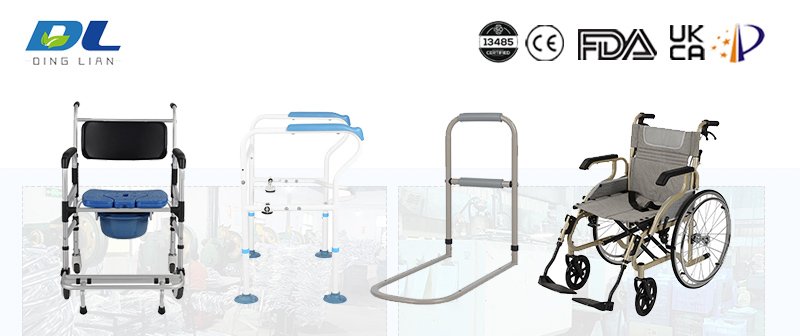
At first glance, elderly care and rehabilitation equipment looks deceptively simple. Products such as shower chairs, commode chairs, bedside rails, or bathroom supports appear to involve basic structures and familiar materials. This visual simplicity leads many first-time buyers to describe the sector as a “low-tech industry”.
However, those who spend time inside long-term care facilities quickly realize that this assumption is misleading. Elderly care equipment may look simple, but it operates in one of the most unforgiving usage environments in healthcare.
Why the Industry Is Often Underestimated
New entrants often compare elderly care products to household furniture or basic medical accessories. Because these products lack electronics or software, they appear easy to design and manufacture.
What is overlooked is not how the product is made — but how it is used, cleaned, and relied upon day after day.
Simple Structures, Extremely Complex Usage
Elderly care equipment is exposed to a combination of stress factors that rarely exist together in consumer products.
Daily Realities Inside Care Facilities
- Multiple daily use cycles by the same resident
- Permanent exposure to humid bathroom environments
- Frequent disinfection with strong cleaning agents
- Users with reduced balance, grip strength, and reaction time
- Very low tolerance for instability or failure
A shower chair or commode chair in a long-term care setting may experience thousands of load cycles over its service life. Small design compromises accumulate into real-world failures.
Why Failure Has a Higher Cost Than Buyers Expect
In consumer markets, a broken product usually leads to a return. In elderly care, even minor degradation can result in falls, injuries, and serious liability for care providers.
This is why experienced buyers evaluate products based on long-term performance rather than initial appearance.
The Hidden Technical Challenges Behind “Simple” Products
Material Fatigue Over Time
Most failures do not occur suddenly. Aluminum frames slowly lose rigidity, plastic seats develop micro-cracks, and fasteners loosen under repeated lateral pressure.
Surface Comfort and Skin Safety
Aging skin is thinner and more vulnerable. Seat materials that feel acceptable during short tests may cause discomfort or pressure injuries when used daily.
Resistance to Humidity and Corrosion
Bathrooms in care facilities remain humid even when not in use. Anti-corrosion treatment, sealed joints, and material selection determine long-term stability far more than advertised weight limits.
Where Problems Usually Appear First
| Component | Common Assumption | Observed Reality |
|---|---|---|
| Seat Board | Plastic is sufficient | Low-density materials crack early |
| Frame Tubes | Rated load is enough | Thin walls fatigue over time |
| Anti-slip Feet | Standard rubber lasts | Rapid wear on wet floors |
| Fasteners | Standard screws are fine | Gradual loosening causes instability |
Why Experienced Buyers Think Differently
Procurement teams with long-term experience rarely ask whether a product looks simple or complex. They focus on whether it remains safe and stable after months or years of daily use.
This mindset applies strongly to high-use products such as:
- Shower Chairs used in shared bathrooms
- Commode Chairs exposed to moisture and cleaning agents
- Bedside support devices used during transfers
Standards Matter — But They Are Only the Baseline
International standards such as ISO 11199 and ISO 17966 define safety requirements and minimum performance levels. Quality systems like ISO 13485 and ISO 9001 ensure manufacturing consistency.
What they do not define is how a product performs after thousands of real-life use cycles. That responsibility lies with manufacturers who design specifically for institutional environments.
Different Markets, Similar Realities
While terminology and regulations vary across regions, care facilities around the world face similar challenges: humidity, repetitive use, and the need to protect vulnerable users.
Experienced suppliers recognize these shared realities and design products accordingly.
Why Long-Term Buyers Focus on Manufacturers, Not Just Products
Dinglian Rehabilitation Equipment develops products based on real facility usage rather than showroom presentation. Our design approach prioritizes:
- Reinforced structural margins
- Materials tested under repeated use
- Feedback from long-term care environments
- Adaptability to different facility needs
FAQ — Practical Questions New Entrants Ask
What certifications are relevant for this industry?
Products may support CE, FDA registration, UKCA, ISO 13485, ISO 9001, and patented designs depending on the market and application.
How should parameters be evaluated correctly?
Weight capacity is only one factor. Frame thickness, joint structure, seat material density, and anti-slip design are equally important.
Is customization possible?
Yes. Dimensions, materials, and configurations can be adjusted for different care environments.
What about MOQ and lead time?
MOQ varies by product type. Typical lead times range from 7 to 25 days.
Final Thought for New Industry Entrants
Elderly care equipment is not low-tech. It is responsibility-driven. Success in this market depends on understanding long-term use, not surface simplicity.
If you are evaluating this industry or planning to build a reliable rehabilitation equipment portfolio, feel free to contact us for practical insights grounded in real-world experience.