
What Long-Term Cleaning Reveals About Material Quality
When buyers evaluate elderly care equipment, cleaning is often treated as a routine task. But after years of daily disinfection, hot water rinsing, and chemical exposure, cleaning becomes something else entirely: a long-term stress test. The question many procurement teams only ask too late is simple—what does repeated cleaning really reveal about material quality?
In the next few years, stricter hygiene expectations, higher care turnover, and aging populations will quietly change how products like shower chairs and mobility supports are judged. Not by how they look on delivery day, but by how they hold up after thousands of cleaning cycles.
The Hidden Trend: Cleaning Is Becoming a Durability Benchmark
Across hospitals, nursing homes, and home-care distributors, cleaning frequency is increasing—not decreasing. Facilities now disinfect equipment multiple times per shift. For buyers, this means surface treatment and base material quality are no longer secondary specifications; they are predictors of replacement cycles, safety risks, and long-term cost.
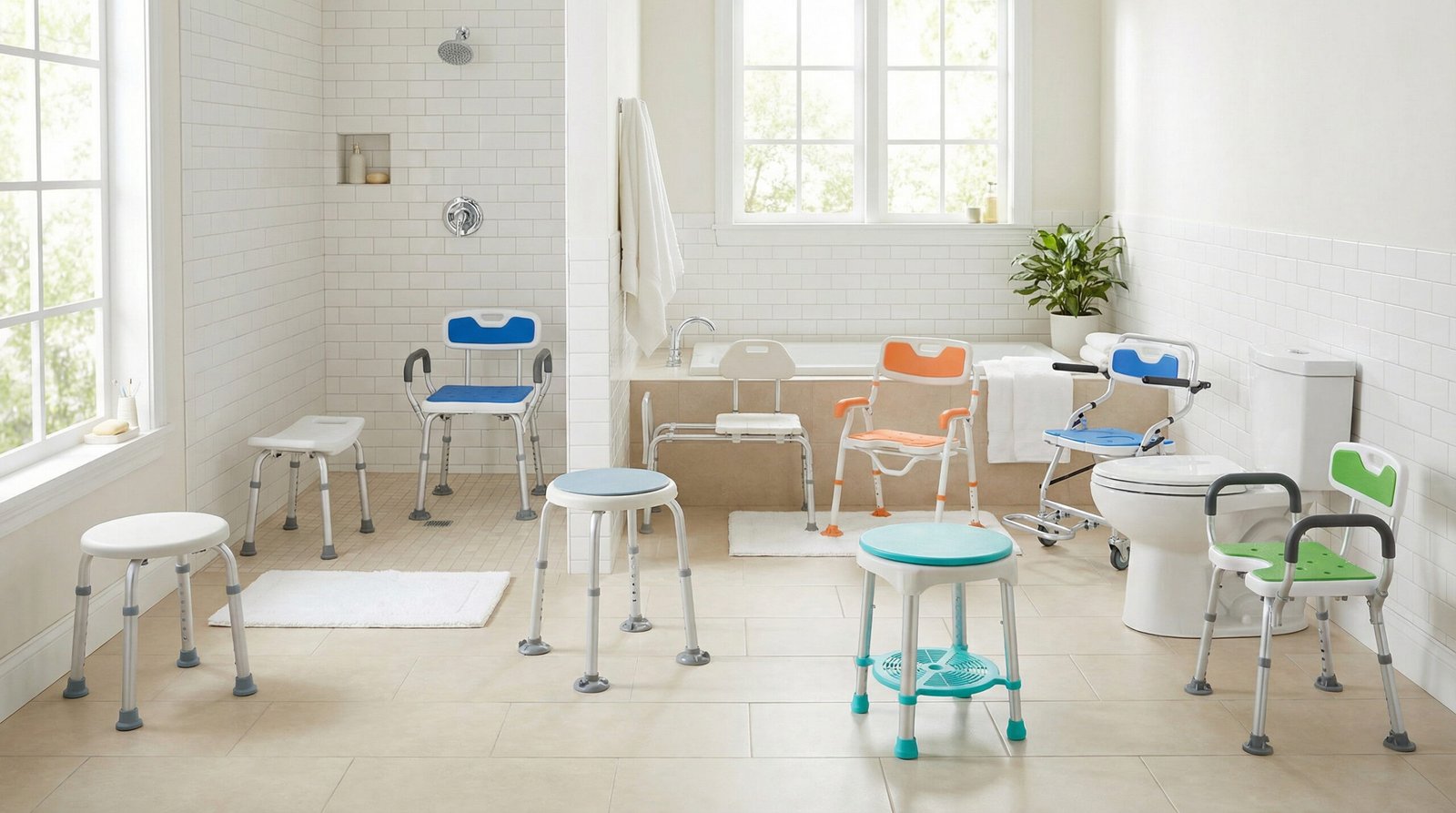
In our discussions with importers and care providers, one pattern repeats: products that passed initial load tests still fail early due to surface breakdown. This is especially visible in frequently cleaned items such as shower chair collections.
What Long-Term Cleaning Actually Does to Materials
Cleaning is not a neutral action. Over time, it introduces heat, moisture, abrasion, and chemical reactions. While short-term testing may show no visible damage, long-term exposure reveals deeper material behavior.
1. Surface Micro-Damage Accumulation
Repeated wiping and scrubbing gradually removes protective coatings. Once the surface barrier weakens, base metals or plastics are exposed. In lower-grade products, this leads to discoloration, roughness, and bacterial retention—exactly what infection-control teams want to avoid.
2. Chemical Sensitivity Over Time
Alcohol-based cleaners, chlorine solutions, and hospital detergents react differently with aluminum alloys, coated steel, and plastics. Buyers increasingly report that products with inconsistent surface treatment show peeling or pitting within 18–24 months.
3. Structural Fatigue Triggered by Moisture
Moisture penetration through damaged coatings accelerates corrosion at joints and weld points. This is not immediately visible but eventually affects load-bearing stability—especially critical for seating and transfer equipment.
Why Buyers Are Re-Evaluating “Cleanability” Claims
Many product descriptions mention “easy to clean,” yet offer no data on how surfaces perform after years of use. Forward-looking buyers are now asking different questions:
- How does the surface look after 2,000+ cleaning cycles?
- Will coatings degrade unevenly across joints and edges?
- Does the manufacturer test cleaning resistance, not just load capacity?
These questions increasingly influence supplier selection, especially for distributors planning multi-year programs rather than one-off orders.
Material Choices That Age Well Under Cleaning Stress
Based on long-term procurement feedback, certain material strategies consistently perform better in high-cleaning environments:
| Material Strategy | Long-Term Outcome |
|---|---|
| Anodized aluminum frames | Stable surface, low corrosion risk |
| Multi-layer powder coating | Improved resistance to chemical wear |
| Smooth-radius joint design | Reduced moisture retention points |
At Zhongshan Dinglian, these considerations are integrated early in development, not added later as marketing language. Our R&D and testing teams treat cleaning as a lifecycle factor, not an afterthought.
Looking Ahead: How Cleaning Will Shape Future Purchasing Decisions
Over the next few years, buyers entering the rehabilitation and elderly care market will face tighter hygiene audits and higher end-user expectations. Products that fail early due to surface degradation will quietly increase total cost—even if their unit price is lower.
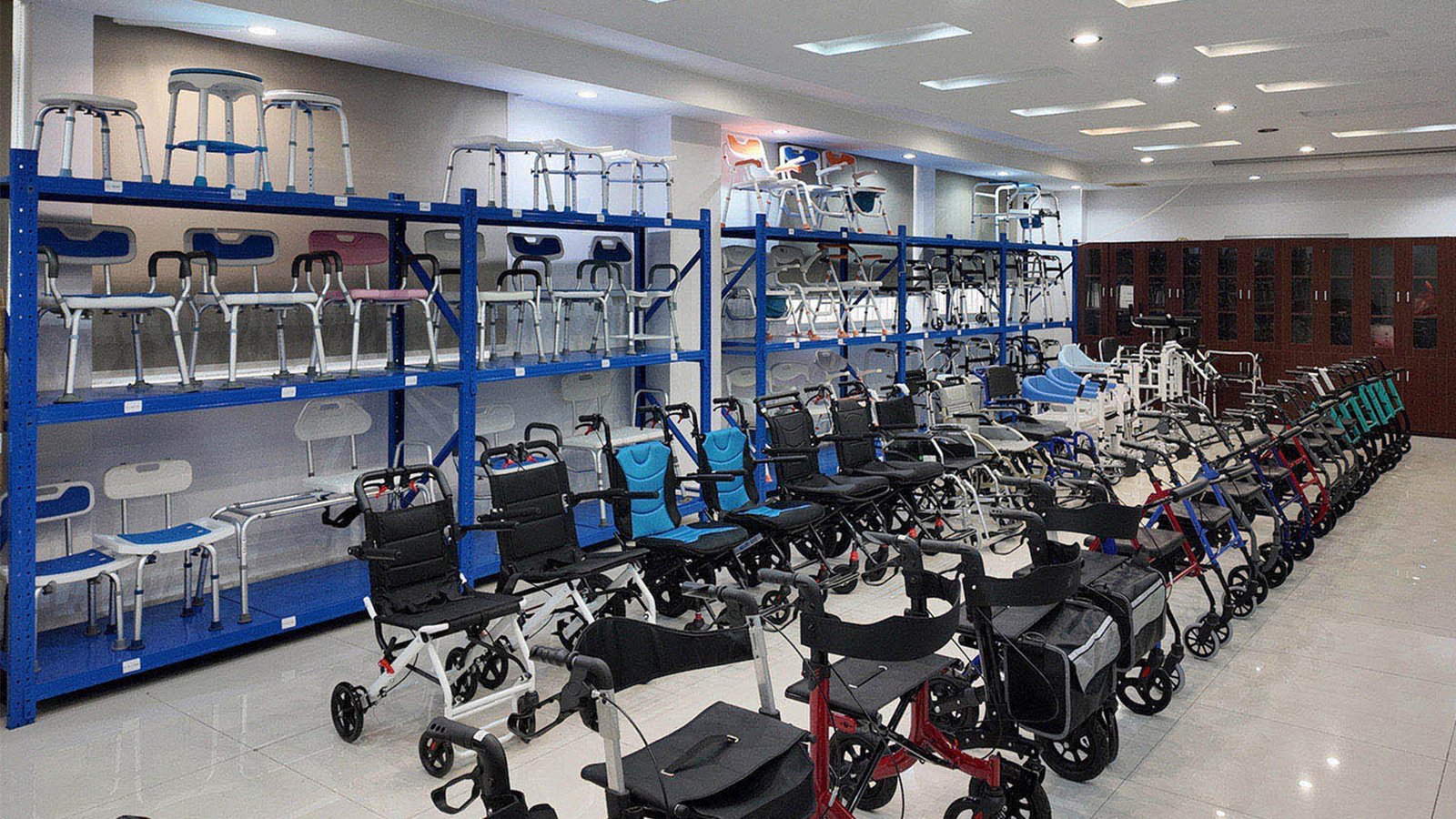
This is why more importers now prefer working directly with a manufacturer and factory like Zhongshan Dinglian, where material selection, surface treatment, and testing are controlled under one system. You can explore our production and testing capabilities on the our equipment page.
Who This Matters Most For
If you are:
- A distributor planning long-term elderly care programs
- A buyer comparing suppliers beyond initial price
- A brand building trust around safety and durability
Then long-term cleaning performance is no longer optional knowledge—it is a sourcing advantage.
To better understand our manufacturing background and quality approach, visit our about us page. If you are evaluating materials or planning a new product line, feel free to reach out through our contact us page for a technical discussion rather than a sales pitch.