
Why Two Similar Products Perform Very Differently Over Time
Procurement teams often ask the same question after six to twelve months of use: why do two bedside commodes that looked nearly identical at purchase perform so differently over time? The answer rarely lies in the brochure. It reveals itself only through daily loading, repeated transfers, cleaning routines, and real user behavior that slowly exposes design decisions made long before production.
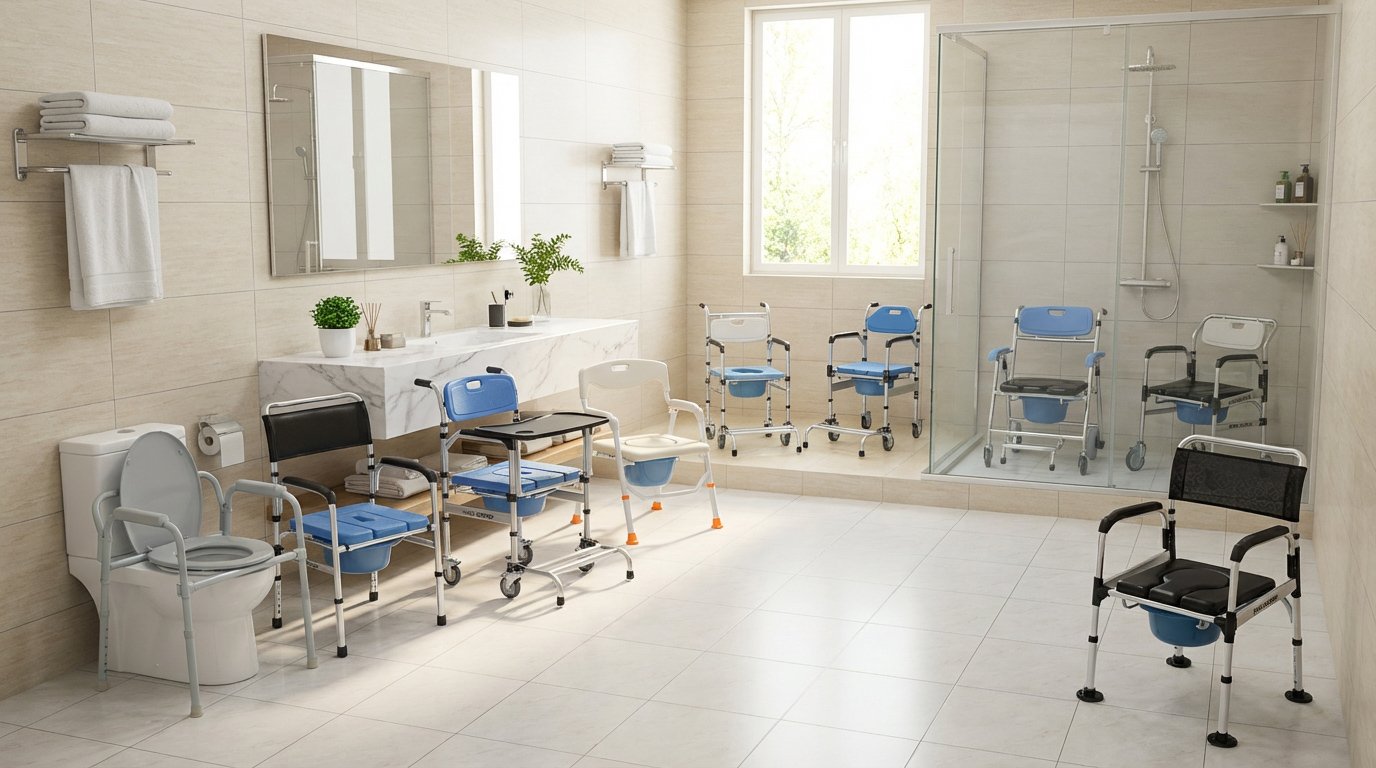
When Products Look the Same but Age Very Differently
In purchasing meetings, it is common to compare bedside commodes by visible criteria: frame thickness, weight capacity, wheel size, or price per unit. On paper, two models may share similar specifications. In practice, their performance curves often diverge sharply after months of use.
This divergence is not accidental. It is the cumulative result of how load travels through the product, how joints respond to repeated motion, and how materials interact with moisture, disinfectants, and uneven floors. A bedside commode is not a static object—it is a moving system exposed to daily stress.
Across markets, buyers refer to these products differently: bedside commodes, toilet chairs, commode chairs, silla sanitaria, chaise percée, كرسي مرحاض. Regardless of language, the functional expectations remain the same—stability, hygiene, and consistent performance over time.
Why Initial Specifications Can Be Misleading
Specifications describe potential, not endurance. A commode rated for 150 kg does not automatically maintain that performance after thousands of sit-to-stand cycles. What matters more is how that load is distributed and absorbed across the structure.
Frame Thickness vs. Load Path
Thicker tubing may suggest strength, but it does not guarantee longevity. In many early-failure cases, cracks appear not in the main frame but at connection points where stress concentrates. Load paths that abruptly change direction create fatigue zones that grow silently over time.
Well-performing products guide weight smoothly from seat surface to ground contact. Poorly designed ones allow micro-movements that slowly enlarge tolerances, leading to instability months later.
Static Tests vs. Repeated Use
Passing a one-time load test confirms safety at a single moment. Real use involves repeated loading, partial seating, lateral shifts, and uneven force application—especially common among elderly users with limited balance.
Products that perform consistently over time are designed with repeated motion in mind, not just peak load resistance.
Joint Design: The Quiet Difference Maker
If there is one area that most strongly predicts long-term performance, it is joint design. Joints define how components move together, how force is transferred, and how wear accumulates.
Welded vs. Mechanical Connections
Weld quality, penetration depth, and stress relief matter more than weld presence alone. In lower-cost designs, inconsistent welding leads to early micro-cracks. In contrast, properly executed joints distribute stress gradually rather than concentrating it.
Mechanical fasteners also vary widely. Poor tolerance control allows movement that accelerates fatigue. Precision-fit joints remain stable even after extended use.
Why Joints Fail Before Frames
In post-use inspections, frames often remain intact while joints loosen or deform. This explains why two similar-looking commode chairs may feel equally stable on day one but behave very differently after extended service.
Material Choices and Environmental Reality
Bathroom equipment lives in a harsh environment. Moisture, cleaning agents, temperature variation, and frequent contact accelerate material aging.
Metal Selection and Surface Treatment
Aluminum alloys resist corrosion but vary in hardness and fatigue resistance. Steel offers rigidity but requires proper surface treatment to prevent rust. What matters is not just material type, but how it is processed and protected.
Plastic Components and Hygiene
Seat surfaces, buckets, and armrest covers must balance comfort with cleanability. Medical-grade plastics maintain surface integrity after repeated cleaning, while lower-grade materials discolor or become brittle over time.
How Load Distribution Affects User Safety
Load distribution is not an abstract engineering term—it directly influences user confidence and caregiver safety. Uneven load paths cause subtle tilting that users sense immediately.
| Design Aspect | Short-Term Effect | Long-Term Outcome |
|---|---|---|
| Centered load transfer | Stable seating | Consistent performance |
| Uneven joint stress | Minor wobble | Progressive instability |
| Balanced wheel alignment | Smooth movement | Reduced caster wear |
Manufacturing Decisions That Buyers Rarely See
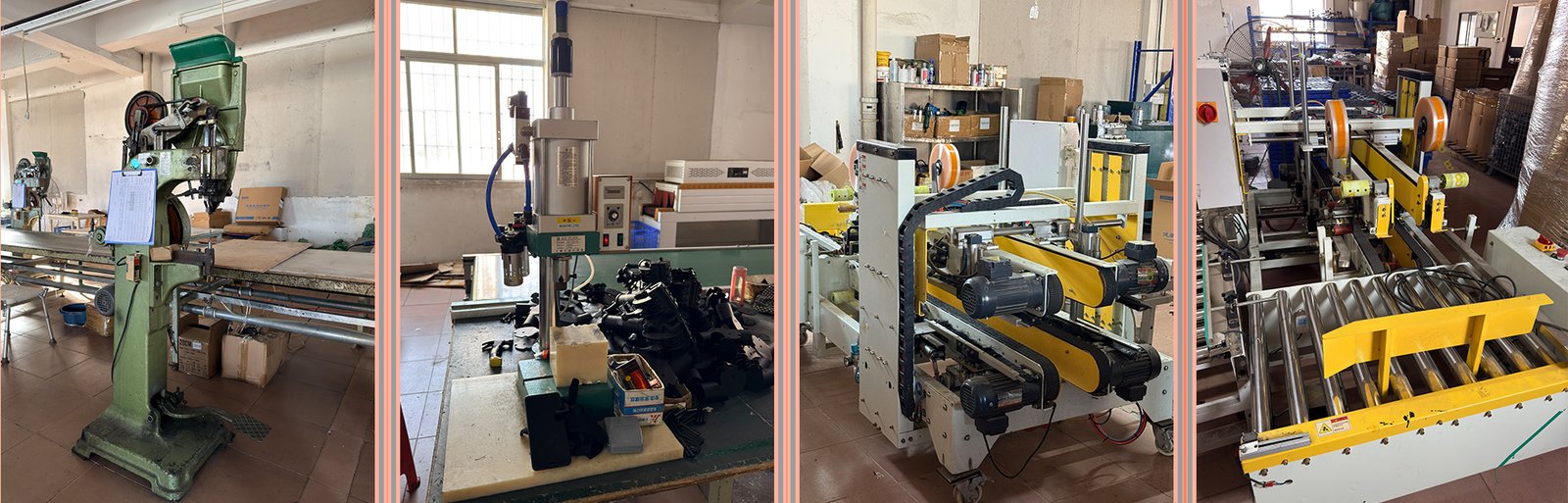
From a buyer’s perspective, the most important decisions happen long before assembly. Tooling accuracy, fixture consistency, and in-process inspection all influence whether two products remain identical after months of use.
As a rehabilitation equipment manufacturer with in-house testing capabilities, Dinglian evaluates performance through repeated load, fatigue, stability, impact, braking, and corrosion testing during development—not after market complaints arise.
This approach reflects experience gained over years of supplying bedside commodes to home care providers, distributors, and institutional buyers across different regions.
Comparing Products Beyond the First Year
Seasoned buyers increasingly evaluate products over a projected service life rather than initial cost. A slightly higher upfront investment often reduces replacement frequency, maintenance calls, and user dissatisfaction.
In long-term care environments, equipment consistency matters as much as unit price. Staff training, user familiarity, and spare part compatibility all depend on stable product behavior over time.
Why Buyers Choose Dinglian Over Time
Buyers who continue working with Dinglian rarely cite a single feature. Instead, they point to predictable performance, fewer post-delivery issues, and design choices aligned with real care routines.
As a factory based in Zhongshan, Dinglian maintains control over design validation, tooling, and production rhythm. This allows feedback from the field to influence future revisions rather than remaining theoretical.
Those interested in exploring our bedside commodes can review the full category here: commode chair solutions.
Seeing the Difference Before It Becomes a Problem
Understanding why similar products age differently empowers buyers to make informed decisions. It shifts focus from surface similarities to structural realities that define long-term value.
For those evaluating suppliers, reviewing production equipment and testing processes offers insight into how performance consistency is maintained. You can explore this further on our our equipment page.
Our design philosophy and development approach are outlined in greater detail on the about us page, where engineering priorities and quality practices are introduced transparently.
Final Procurement Considerations
Two products may enter the market together, but only one continues to perform quietly and reliably over time. That difference is rarely accidental—it is designed, tested, and refined long before the first shipment.
If you are assessing long-term reliability, application suitability, or custom requirements, direct discussion often clarifies more than documentation alone. Contact us to discuss your project requirements and usage scenarios.