
Why Real Nursing Home Design Starts With Human Movement
When buyers ask why two nursing homes with similar budgets experience completely different long-term outcomes, the answer is rarely equipment price or floor layout. It usually comes down to one overlooked factor: how real people move through the space, day after day.
If you are sourcing rehabilitation or care equipment for nursing homes, you have probably seen this yourself. On paper, the design looks compliant. In real use, staff hesitate, residents slow down, and small movements turn into daily friction.
Why do so many nursing home designs fail in daily operation?
Most nursing home designs still start from drawings, regulations, or room dimensions. That approach checks boxes, but it ignores what actually happens during a typical shift.
Human movement in care environments is repetitive, assisted, and rarely ideal. Residents do not move in straight lines. Caregivers do not have unlimited time or perfect posture. Equipment is touched, leaned on, rolled, braked, and adjusted hundreds of times every week.
The difference between compliance and usability
Many facilities meet local building and safety standards yet struggle operationally. This is because compliance focuses on static conditions, while care work is dynamic.
- Transfers happen at angles, not straight lifts
- Showering involves wet floors and uneven weight shifts
- Night shifts amplify fatigue and reaction delays
A shower chair that looks stable in a showroom may behave very differently after months of side loading, brake use, and frequent repositioning.
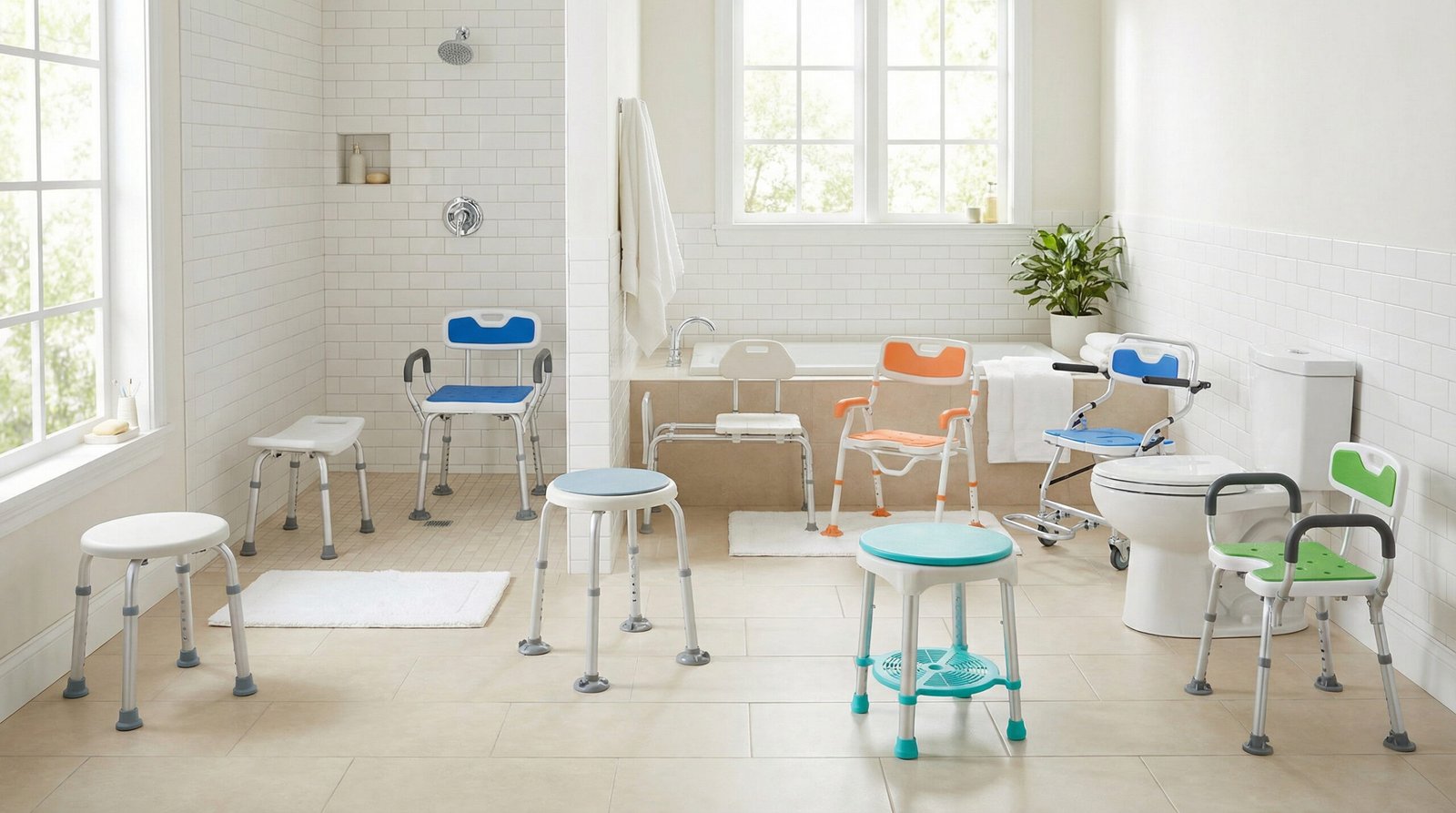
This is why experienced buyers often review shower chair selections based on long-term handling behavior rather than first impressions.
What happens when design ignores human movement?
Ignoring movement patterns does not cause immediate failure. It causes slow degradation.
From procurement feedback and facility reports, the most common issues are not catastrophic breaks but behavioral changes:
- Caregivers stop using brakes because they feel inconsistent
- Residents hesitate before sitting due to perceived instability
- Staff compensate with their own bodies, increasing injury risk
Small movement friction becomes operational cost
Over time, these micro-frictions translate into measurable outcomes:
| Observation | Operational Impact |
|---|---|
| Frequent repositioning during transfers | Longer task time per resident |
| Uneven rolling resistance | Increased caregiver fatigue |
| Brake hesitation | Higher supervision requirements |
These are rarely captured in tender documents, yet they determine whether equipment truly supports care workflows.
Why movement-first thinking changes equipment decisions
Designing around movement means asking different questions during procurement:
- How does this chair behave after 5,000 assisted transfers?
- What changes when weight is shifted laterally, not vertically?
- Will caregivers still trust the brakes after one year?
This approach aligns closely with how experienced manufacturers evaluate products internally.
Testing for repetition, not just capacity
At Zhongshan Dinglian manufacturer facilities, testing focuses less on peak load numbers and more on behavior over time.
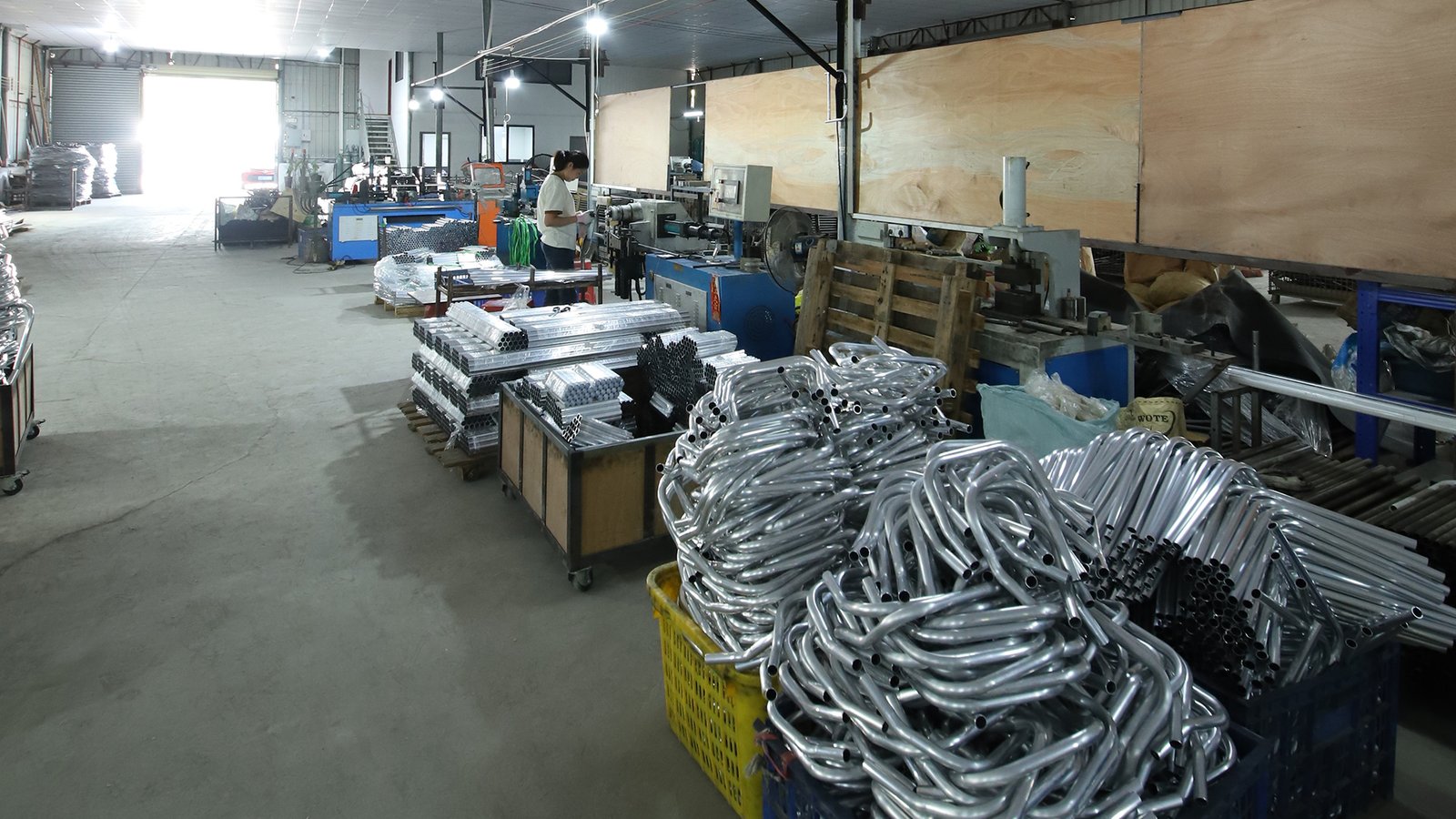
Typical evaluations include:
- Repeated brake engagement under uneven load
- Fatigue testing on welded joints and frames
- Stability checks after simulated directional stress
These methods reflect how equipment is actually used in nursing homes, not how it looks on day one.
You can explore how equipment is built and validated in more detail on the Our Equipment page.
How shower chairs reveal the movement problem clearly
Among all care products, shower chairs expose design weaknesses fastest.
They operate in wet conditions, require frequent transfers, and are often used by different caregivers across shifts.
Global buyers describe the same movement patterns
Whether described as silla de ducha, cadeira de banho, chaise de douche, كرسي استحمام, or душевая коляска, procurement feedback across regions is strikingly consistent.
- Side loading during assisted sitting
- Short rolling distances with frequent stops
- High reliance on brake confidence
When shower chairs fail, it is rarely due to weight limits. It is due to cumulative movement stress.
How movement-first design supports caregiver confidence
Caregivers do not analyze specifications during a shift. They react instinctively.
When equipment feels predictable, hesitation disappears. When it feels uncertain, even slightly, caregivers slow down.
Confidence is built through consistency
This is where manufacturing consistency matters more than design sketches.
As a Zhongshan Dinglian factory, production focuses on repeatability:
- Consistent welding depth across batches
- Uniform brake component sourcing
- Controlled material thickness tolerance
These details determine whether a product behaves the same after six months as it did during acceptance testing.
Background on the company’s manufacturing philosophy can be found on the About Us page.
Why procurement decisions shape care culture
Equipment selection sends a signal to staff.
When movement feels supported, staff focus on residents. When movement feels risky, staff focus on self-protection.
This is why experienced buyers evaluate suppliers not only on price but on long-term movement behavior.
Questions serious buyers tend to ask
- How does this product age under daily assisted use?
- What happens when components wear unevenly?
- How predictable is replacement consistency?
These questions separate short-term sourcing from sustainable partnerships.
Designing for movement is designing for trust
Real nursing home design does not start with blueprints. It starts with understanding how bodies move, how hands grip, and how confidence is built through repetition.
For buyers entering or expanding within the rehabilitation equipment market, movement-first thinking reduces long-term risk and simplifies daily operations.
If you are evaluating suppliers or exploring how movement-based design influences equipment performance, you are welcome to continue the conversation via the Contact Us page.