
Choosing the Right Bedside Commode: Top Tips for Comfort
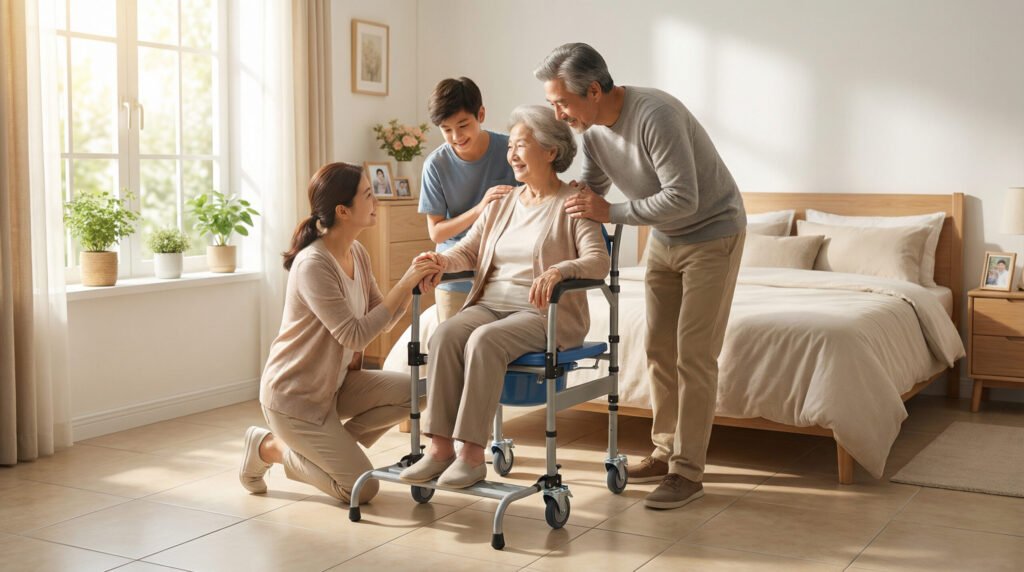
Choosing a bedside commode is rarely just about selecting a basic toilet alternative. For care facilities, distributors, and first-time buyers entering the elderly care market, comfort directly affects user compliance, caregiver workload, and long-term equipment value.
A poorly chosen commode may technically function, yet still create discomfort, resistance from users, and increased replacement rates. This guide explains how experienced buyers evaluate bedside commodes with comfort as a practical, measurable outcome—not a vague feature.
Why Comfort Matters More Than Buyers Expect
In real care environments, bedside commodes are often used multiple times per day, by different users, and under varying physical conditions. Comfort directly impacts whether residents feel secure and whether caregivers can assist efficiently.
Facilities that overlook comfort often experience higher refusal rates, increased transfer injuries, and faster equipment wear. Over time, these hidden costs outweigh any initial price savings.
Understanding Core Bedside Commode Structures
Most bedside commodes share a similar appearance, but internal structure and material choices vary widely. A stable frame, balanced load distribution, and ergonomic seat design are the foundation of long-term comfort.
Buyers comparing commode chair models should look beyond surface finishes and focus on structural reinforcement points, joint welding quality, and how weight is transferred during sitting and standing.
Seat Design and Pressure Distribution
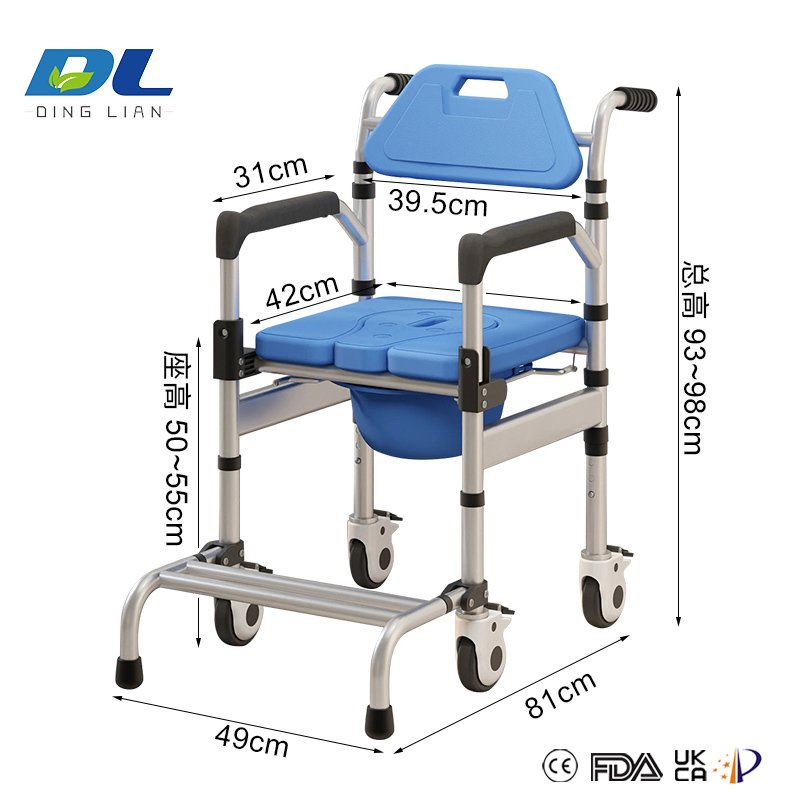
Comfort begins at the seat. Flat seats concentrate pressure, while contoured or reinforced designs distribute weight more evenly. For users with limited mobility, pressure concentration quickly leads to discomfort and reduced usage time.
Seat material thickness, surface texture, and edge curvature all contribute to perceived comfort—especially during longer sitting periods common in nighttime or assisted care scenarios.
Height Adjustability and Transfer Safety
Adjustable height is not a convenience feature—it is a safety requirement. Improper seat height increases strain on knees, hips, and caregivers assisting transfers.
In facilities, adjustable systems must remain stable across repeated adjustments. Poorly designed telescopic legs loosen over time, reducing both comfort and safety.
Armrests: More Than Just Support
Armrests influence both comfort and independence. Foam-padded or textured armrests reduce grip fatigue and improve user confidence during transfers.
Buyers sourcing models with commode handrails should evaluate attachment strength, foam durability, and ease of replacement after prolonged use.
Materials and Long-Term Comfort Performance
Steel frames provide stability but add weight. Aluminum offers easier handling but requires precise engineering to avoid flex under load. Comfort is compromised when material selection prioritizes weight reduction over structural integrity.
Experienced manufacturers balance material thickness, joint reinforcement, and surface treatment to ensure comfort remains consistent throughout the product’s service life.
Certifications and Comfort Reliability
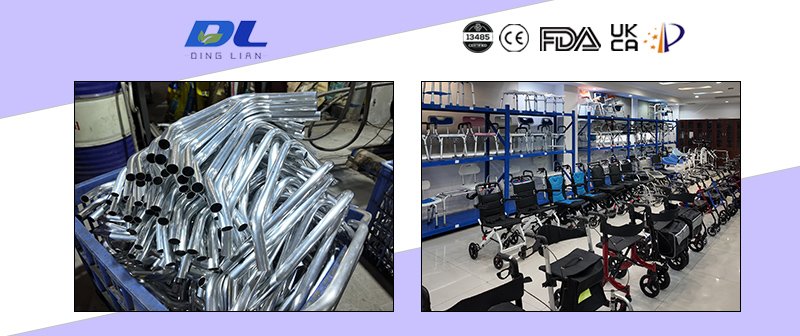
Certifications do not guarantee comfort, but they indicate controlled manufacturing processes. Buyers reviewing supplier credentials should verify compliance through recognized systems such as ISO 13485 and ISO 9001.
You can review our verified manufacturing standards on the certificates page.
Comfort as a Procurement Strategy
Comfort-driven procurement reduces complaints, extends replacement cycles, and improves user satisfaction. Facilities that standardize comfort-focused specifications consistently report lower long-term operating costs.
If you are evaluating bedside commodes for care facilities or distribution programs and want support from an experienced manufacturer, we welcome direct discussion.
Contact us to discuss product selection, customization options, and production capabilities.