
How Over-Engineering Can Sometimes Create New Risks
Buyers often ask whether adding more features to a rollator walker always means better safety. In real nursing homes and assisted living facilities, the answer is often more complicated. Over-engineering can sometimes introduce new risks that only appear after months of daily use.
If you are sourcing rollators for long-term care environments, you may have already seen this pattern: a product looks impressive during evaluation, yet staff confidence slowly drops once it enters real workflows.
Where do over-engineered rollators create unexpected risks?
In care settings, rollator walkers are not used by one person in ideal conditions. They are shared, adjusted, and handled by different caregivers across shifts.
When designs prioritize complexity over predictability, small uncertainties begin to surface.
Scene: a busy morning shift
Imagine a morning routine in a nursing home. A caregiver assists three residents in sequence. Each rollator has adjustable handles, multi-angle brakes, folding mechanisms, and accessory mounts.
- One brake feels different from the last unit
- Another handle height slips slightly under side load
- A folding joint hesitates before locking
None of these issues cause immediate failure. But they change behavior. Caregivers slow down. Residents hesitate.

This is why many buyers now evaluate rollator walker models based on handling confidence rather than specification density.
Why more features don’t always mean safer use
From a purchasing desk, additional functions look like added value. On the floor, they can become decision points.
Human factors matter more than engineering ambition
Studies on assistive mobility devices consistently show that user trust is built through repetition and predictability. When a device requires interpretation, users compensate with caution.
| Design Choice | Observed Effect in Care Use |
|---|---|
| Multi-stage brake systems | Inconsistent engagement across users |
| Highly adjustable joints | Loosening over long-term repetition |
| Complex folding mechanisms | Hesitation during transport and storage |
These are not design failures. They are context mismatches.
How global buyers describe the same rollator issues
Across markets, the language changes but the experience is similar.
Whether described as andador con ruedas, déambulateur, andador com assento, مشاية طبية, or роллатор, feedback often centers on daily handling rather than headline features.
- “Feels different after a few months”
- “Too many adjustments for shared use”
- “Hard to know if it’s fully locked”
These comments rarely appear in initial evaluations but dominate replacement discussions.
Scene: maintenance teams and long-term behavior
Maintenance staff experience over-engineering differently.
More parts mean more variables. More joints mean more wear patterns.
What changes after 12–18 months
Based on facility feedback and internal testing data, typical changes include:
- Brake cables stretching unevenly
- Fasteners loosening under lateral stress
- Frame flex increasing at joint intersections
These changes affect movement confidence more than visible damage.
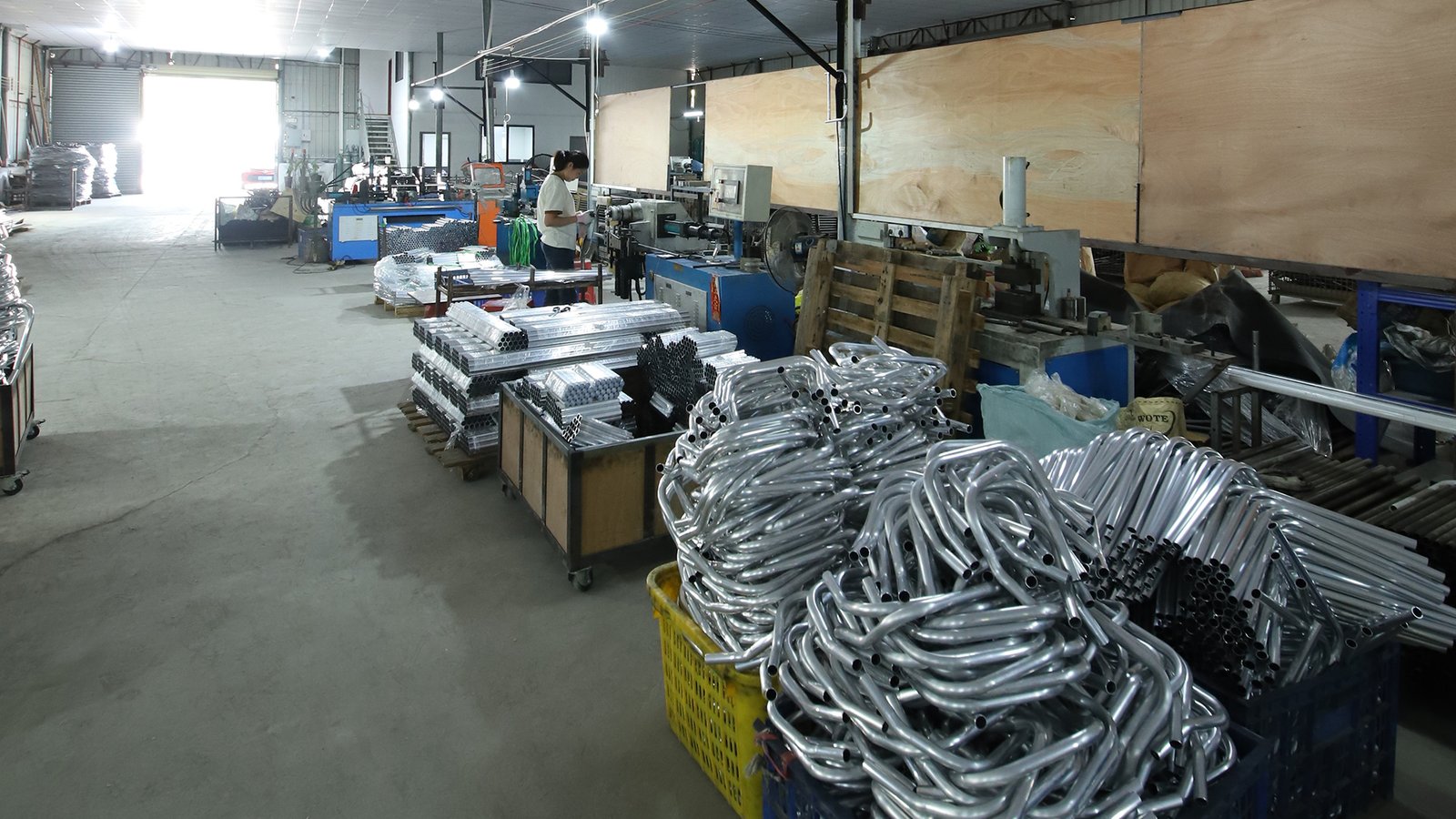
At Zhongshan Dinglian manufacturer facilities, testing focuses on repeated stress and behavioral consistency rather than one-time performance.
You can review how structural validation is approached on the Our Equipment page.
How balanced engineering reduces risk instead
The goal is not simpler products, but calmer ones.
Balanced engineering prioritizes:
- Clear feedback during brake engagement
- Limited but durable adjustment points
- Frames that behave consistently under side load
Why consistency matters more than innovation
Caregivers adapt quickly when equipment behaves the same every time. Residents sense this confidence.
As a Zhongshan Dinglian factory, production emphasizes repeatability across batches, not constant design changes.
This philosophy reflects long-term partnerships rather than short-term feature competition.
Background on this approach can be found on the About Us page.
What experienced buyers look for now
Buyers entering or expanding in the rehabilitation equipment market increasingly ask different questions:
- How does this rollator feel after thousands of cycles?
- Will different users trust it the same way?
- Is maintenance predictable across units?
These questions shape long-term supplier relationships.
Choosing engineering that supports real care
Over-engineering is rarely intentional. It often comes from trying to solve every scenario at once.
In real care environments, fewer decision points and clearer feedback reduce risk more effectively than added complexity.
If you are evaluating rollator suppliers or reassessing existing designs, discussing real-use behavior early can prevent hidden costs later.
You are welcome to continue the discussion through the Contact Us page.