
Lightweight Care Equipment Why Does It Wear Out Faster in Daily Facility Use
In recent years, lightweight care equipment has become a popular selling point across global healthcare markets. From hospitals to nursing homes and long-term care facilities, buyers are often told that lighter products mean easier handling, lower transport costs, and improved user comfort. Yet in real-world facility use, many procurement teams discover an unexpected problem: lightweight equipment often wears out faster than expected.
This article explains why lightweight care equipment fails sooner in daily facility use, based on industry standards, academic findings, and direct feedback from care facilities. More importantly, it helps buyers understand how to balance weight, durability, safety, and long-term cost when selecting rehabilitation equipment.
What “Lightweight” Really Means in Care Equipment
In product catalogs, lightweight usually refers to reduced material thickness, simplified structural design, or the use of lighter alloys. While these changes may lower the overall mass, they often reduce tolerance to repeated load cycles, side forces, and daily handling stress.
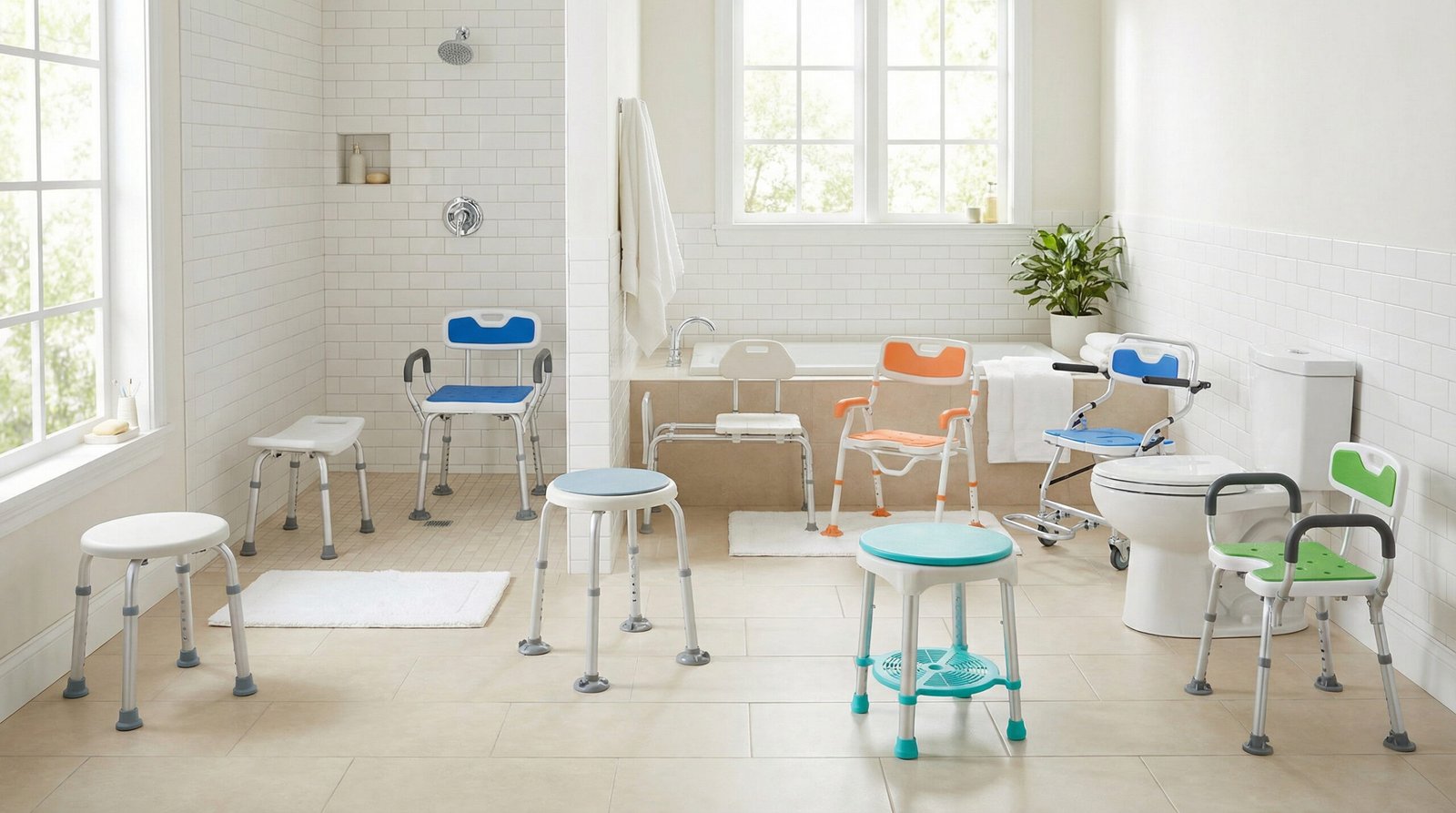
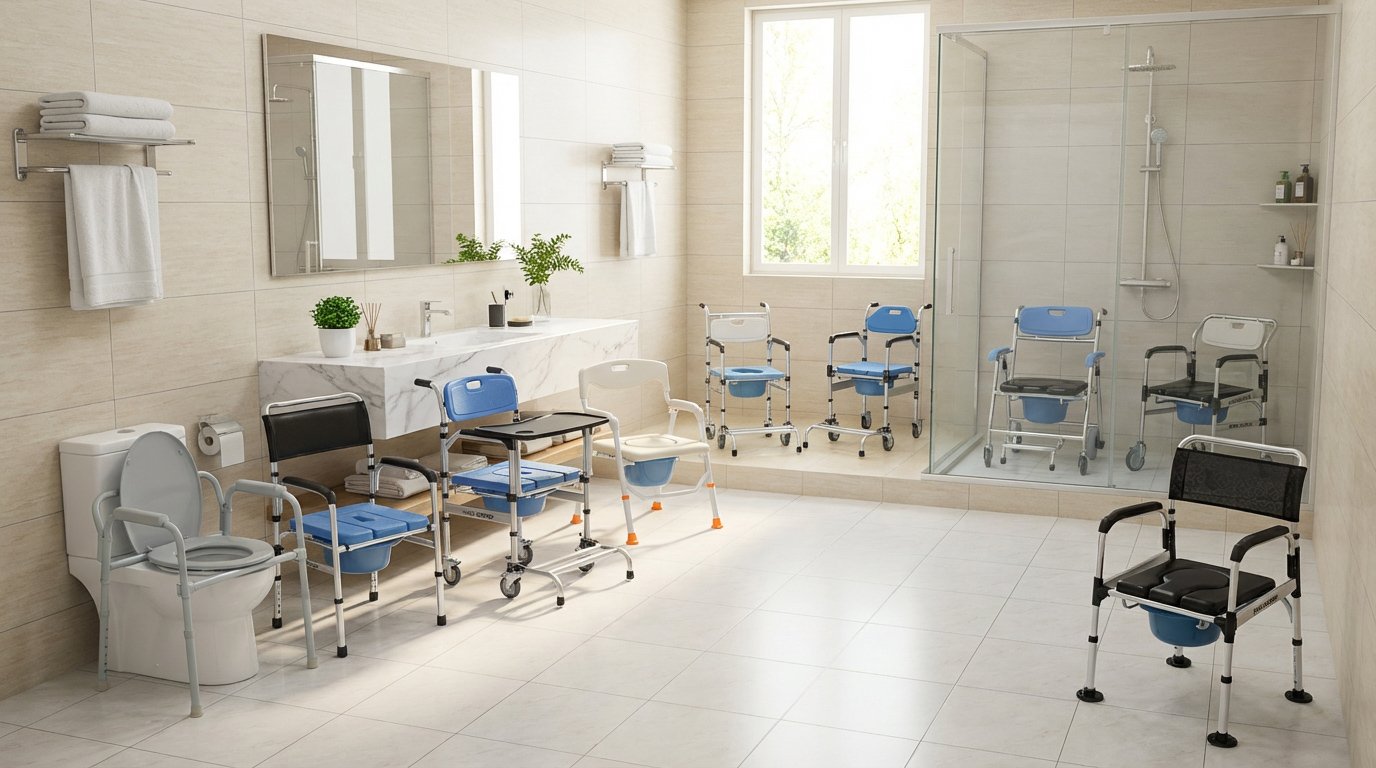
In care environments, equipment is rarely used under ideal conditions. A shower chair may be moved multiple times per shift, exposed to moisture, disinfectants, and uneven flooring. A commode chair may experience sudden load shifts during patient transfers. These realities are often underestimated during lightweight-focused product design.
Why Lightweight Equipment Degrades Faster in Facilities
1. Higher Fatigue Stress on Critical Joints
Academic studies on aluminum and thin-wall steel structures show that reducing material thickness increases fatigue stress concentration at joints and fasteners. In daily care use, these stress points experience thousands of micro-movements, leading to loosened bolts, frame deformation, or surface cracking long before visible failure appears.
2. Frequent Handling Multiplies Wear
Lightweight equipment is often handled more roughly—not intentionally, but because staff expect it to be easy to move. Over time, repeated lifting, dragging, and stacking accelerates wear on wheels, rubber tips, and frame connections, especially in high-turnover care facilities.
3. Moisture and Cleaning Chemicals
In shower rooms and toilet areas, lightweight coatings and thinner tubing are more vulnerable to corrosion. Disinfectants commonly used in Europe, North America, and Southeast Asia can degrade protective finishes faster, exposing base materials to rust or oxidation.
What Procurement Teams Often Miss
On platforms like Quora and regional procurement forums, buyers frequently ask why equipment passes initial inspection but fails after one or two years. The answer is not certification alone—it is real usage simulation.
| Evaluation Focus | Common Oversight |
|---|---|
| Product Weight | Ignored fatigue life under repeated loads |
| Certificates | No long-term durability comparison |
| Unit Cost | Higher replacement frequency |
Balancing Weight and Durability the Practical Way
Experienced manufacturers understand that weight reduction should never compromise structural integrity. At Dinglian (Zhongshan) Rehabilitation Equipment Co., Ltd., product decisions are based on how equipment performs after years of real facility use, not just on day one.
With direct involvement in design, production, and supply processes, Dinglian emphasizes reinforced stress points, balanced material thickness, and realistic load testing that reflects daily facility operations.
This approach is especially important for products such as commode chairs, where safety, hygiene, and structural stability must coexist with reasonable weight.
Why Long-Term Buyers Choose Durable Designs
Large buyers and institutional clients increasingly evaluate total lifecycle cost instead of unit price. Equipment that lasts longer reduces replacement cycles, maintenance labor, and inspection risk.
Buyers exploring partnerships often review the background of the company behind the product. Understanding who is responsible for design and production matters as much as the product itself.
Final Thoughts for New Market Entrants
Lightweight equipment has its place, but only when supported by sound engineering and realistic testing. Facilities that focus solely on weight often face higher long-term costs through repairs, replacements, and operational disruption.
If you are evaluating care equipment suppliers or planning to enter the rehabilitation equipment market, choosing partners who understand real-world use is essential.
For technical discussions or procurement inquiries, feel free to contact our team.