
How to Choose Walking Canes That Users Still Trust After Long-Term Use
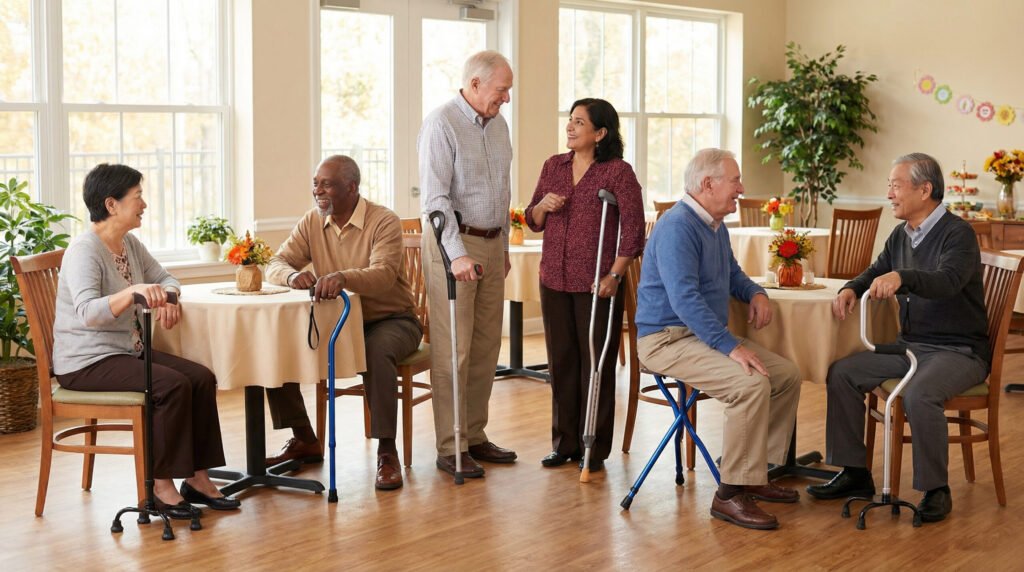
Many walking cane articles focus only on materials or appearance, but buyers who manage rehabilitation distributors, pharmacies, or elderly care projects usually face a different problem after the first shipment: user complaints begin appearing within months. Loose height adjustment buttons, unstable tips, uncomfortable grips, or canes that feel secure indoors but unsafe outdoors quickly affect repeat orders and distributor reputation.
This is why experienced procurement teams no longer evaluate walking canes as “simple accessories.” Instead, they treat them as long-term mobility support products tied directly to user confidence, fall prevention, and after-sales stability. The real purchasing question is not “Which cane is cheapest?” but “Which walking cane design continues performing safely after daily use?”

Why Some Walking Canes Receive Repeat Orders While Others Don’t
In the rehabilitation equipment market, repeat purchasing behavior tells a more accurate story than catalog specifications. Distributors often discover that two canes with nearly identical appearance can produce completely different long-term feedback from users.
The difference usually comes from details hidden behind the product sheet:
- Grip pressure distribution during long walking sessions
- Adjustment lock precision after repeated height changes
- Tip wear speed on tile, concrete, and wet flooring
- Frame vibration during outdoor movement
- Weight balance for elderly users with weaker wrist strength
These are the factors that influence whether end users continue using the cane confidently or eventually abandon it in daily life.
Buyers with long-term elderly care clients increasingly prioritize user retention and complaint reduction over initial low pricing. A walking cane that reduces replacement requests often creates better distributor margins over time.
The Biggest Misunderstanding in Walking Cane Procurement
One common misconception is assuming all walking canes serve the same purpose. In reality, different mobility conditions require different structural approaches. Selecting the wrong cane type may reduce walking confidence rather than improve it.
For example, lightweight aluminum canes are popular among active elderly users because they reduce arm fatigue. However, some rehabilitation patients recovering from surgery may prefer slightly heavier structures that create a more grounded walking feel indoors.
This explains why experienced distributors usually build a complete mobility portfolio instead of relying on a single universal model.
You can also explore related mobility support products in our walking aid category for broader rehabilitation purchasing planning.
What End Users Actually Care About After 90 Days of Use
At the purchasing stage, distributors often focus on certification, dimensions, and pricing structure. End users, however, judge walking canes differently after several months.
Based on feedback from rehabilitation retailers and elderly care projects, the following factors consistently influence long-term satisfaction:
| Usage Factor | Short-Term Impression | Long-Term Reality | Buyer Impact |
|---|---|---|---|
| Grip Comfort | Feels soft initially | Pressure fatigue develops | Repeat complaint risk |
| Tip Material | Stable indoors | Outdoor wear accelerates | Higher replacement demand |
| Adjustment Lock | Easy to adjust | Loosening after repeated use | Safety concern |
| Overall Weight | Lightweight appeal | Balance stability matters more | User adaptation varies |
Why Walking Cane Demand Is Growing Beyond Elderly Care
The walking cane market is changing faster than many distributors expected. While elderly users remain the largest buyer group, rehabilitation clinics and post-surgery recovery programs are creating new demand patterns.
According to global rehabilitation equipment industry reports, mobility aid demand continues rising due to aging populations, longer rehabilitation cycles, and increased home-care adoption after hospital discharge.
This shift changes what buyers prioritize:
- Faster delivery consistency
- Reliable replacement parts supply
- Stable quality across repeated batches
- Packaging suitable for retail and online channels
- Compliance documentation for multiple regions
If your market includes elderly home-care retailers, prioritize walking canes with easier grip handling and quieter adjustment systems. Small ergonomic details strongly influence user acceptance rates.
How Regional Markets Evaluate Walking Canes Differently
One reason some distributors struggle internationally is assuming all markets evaluate mobility aids using identical standards.
In North America, distributors often focus heavily on durability and return rate control. In Europe, buyers usually pay closer attention to ergonomic design and certification transparency. In Southeast Asian markets, storage convenience and cost-performance balance become more important due to space limitations and retail pricing pressure.
Understanding these regional expectations helps distributors avoid overstocking products that fit catalog trends but not actual local demand.
Why More Buyers Prefer Working Directly With Walking Cane Factories
Many importers previously sourced walking canes through layered trading systems. Over time, however, procurement teams discovered that communication gaps often slowed customization, certification handling, and quality feedback.
This is one reason rehabilitation distributors increasingly prefer working directly with a walking cane manufacturer or walking cane factory that understands long-term care usage.
As a rehabilitation equipment manufacturer, Dinglian (Zhongshan) Rehabilitation Equipment Co., Ltd. focuses on mobility products designed around practical daily use rather than short-term catalog appearance. Buyers evaluating long-term cooperation usually care more about production consistency and practical engineering logic than aggressive pricing alone.
You can learn more about our manufacturing capabilities and production standards here: Visit Our Factory & Manufacturing Team
Questions Experienced Buyers Usually Ask Before Ordering
How important is cane tip quality?
Extremely important. Tip material directly affects floor grip, especially on smooth indoor surfaces and wet outdoor areas. Lower-quality rubber often hardens quickly after temperature changes.
Should distributors prioritize lightweight models?
Not always. Some users prefer lightweight mobility aids, but excessive weight reduction may negatively affect stability perception. Product positioning should match user scenarios rather than trend assumptions.
Do certifications influence retail trust?
Yes. Certifications such as CE, FDA, ISO 13485, and UKCA increasingly influence distributor confidence, especially for institutional projects and pharmacy channels.
| Buyer Priority | Why It Matters | Long-Term Impact |
|---|---|---|
| Stable Production | Reduces batch variation | Lower return rates |
| Reliable Packaging | Protects during logistics | Fewer transit complaints |
| Real Ergonomics | Improves user comfort | Better reorder potential |
| Factory Communication | Faster issue handling | Stronger cooperation stability |
Distributors with stable long-term growth often standardize only a few carefully selected walking cane models instead of constantly changing suppliers. Consistency improves customer trust and simplifies after-sales management.
Before placing large walking cane orders, request repeated adjustment testing videos instead of relying only on static product photos. Long-term mechanism stability is difficult to evaluate visually.
Walking Cane Procurement Is Becoming More Experience-Driven
The rehabilitation market is gradually shifting away from purely specification-based purchasing. Buyers now pay closer attention to how products behave after months of real use because end-user satisfaction directly affects distributor credibility.
Walking canes may appear simple, but long-term reliability depends on engineering precision, manufacturing consistency, ergonomic understanding, and real-world usage feedback.
If you are evaluating a reliable walking cane supplier, manufacturer, or factory for your market, you are welcome to contact our team for product details and cooperation discussion .