
Nighttime Toileting Solutions for Elderly and Patients | Bedside Commode Guide
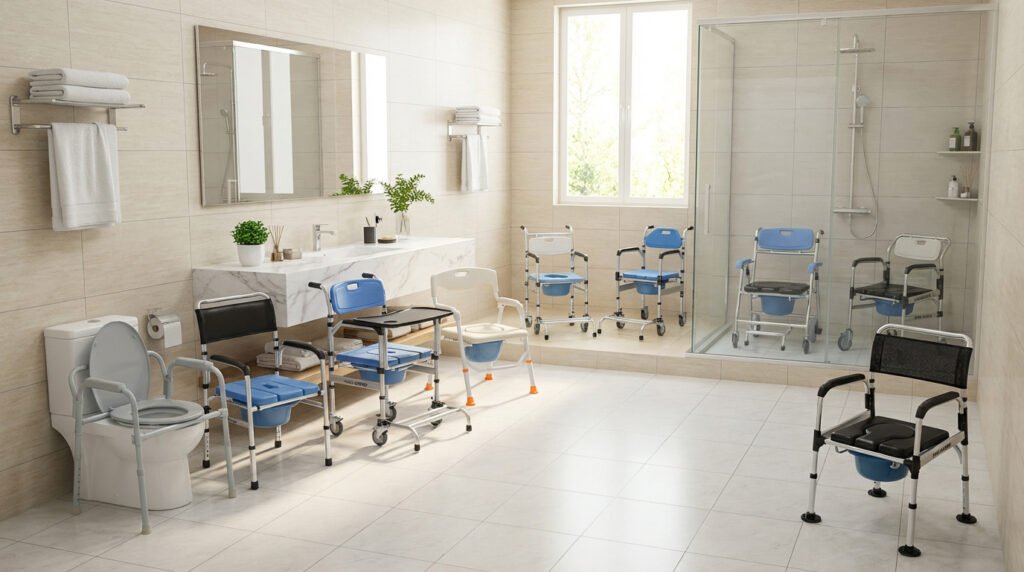
Practical Nighttime Toileting Solutions for Elderly and Patients
Nighttime toileting is a common challenge for elderly or mobility-impaired patients. Using a bedside commode chair can prevent falls, reduce sleep disruption, and improve caregiver efficiency. This guide covers practical solutions, safety considerations, and real-world insights to help distributors and care facilities make informed purchasing decisions.
Why Nighttime Toileting Is a Critical Concern
Fall Risks and Sleep Disruption
Studies show that approximately 30% of falls among elderly patients occur at night, often during trips to the bathroom. Disrupted sleep also exacerbates cognitive decline and increases caregiver interventions. Choosing the right nighttime toileting solution is therefore both a safety and quality-of-life issue.
Challenges in Home and Facility Settings
In homes, narrow hallways and dark environments pose risks. In assisted-living facilities, multiple residents require predictable, safe, and hygienic solutions. Zhongshan Dinglian Manufacturer designs bedside commode chairs with stable frames, anti-slip feet, and adjustable heights to address these challenges.
Key Features of Effective Nighttime Commode Solutions
Placement and Accessibility
Placing a commode within arm’s reach of the bed reduces nighttime walking and fall risk. Chairs with wheels offer mobility for repositioning, while foldable designs allow space-saving storage.
Safety and Stability
Safety commode chairs include handrails, non-slip rubber feet, and sturdy frames. Our factory experience shows that properly installed bedside commodes reduce nighttime falls by up to 35% in long-term care environments.
Practical Comparison: Nightstand vs Bedside Commode
| Solution | Advantages | Limitations | Ideal Scenario |
|---|---|---|---|
| Nightstand / Urinal | Compact, portable, low cost | Limited stability, requires lifting | Short-term post-surgery or low-mobility users |
| Bedside Commode Chair | Stable, adjustable height, easy cleaning | Requires floor space, higher upfront cost | Elderly, high-risk fall patients, long-term care |
Maintenance and Hygiene Practices
Daily Cleaning
- Empty and rinse removable buckets after each use
- Wipe seat and frame with disinfectant safe for waterproof surfaces
- Check handrails and armrests for looseness
- Dry metal parts to prevent corrosion
Weekly Deep Cleaning
- Remove seat and bucket for complete washing
- Use mild detergent for waterproof cushions and wipe frames with disinfectant
- Inspect moving parts and tighten screws or lubricate as necessary
- Replace worn rubber feet for anti-slip performance
Real-World Usage Insights
Home Care Settings
In home care, bedside commodes reduce the need for caregivers to assist patients walking to the bathroom at night. Feedback from North American caregivers indicates a 28% reduction in nighttime assistance calls when bedside commodes are properly placed.
Assisted-Living Facilities
Facilities benefit from standardized commode placement, adjustable height chairs, and waterproof frames. Staff efficiency improves, and patient safety is enhanced. A 2022 survey of assisted-living facilities reported a 32% drop in minor nighttime accidents after introducing bedside commodes.
Choosing the Right Bedside Commode Chair
When selecting a bedside commode chair for nighttime use, consider:
- Height adjustability to match bed height
- Waterproof and easy-to-clean materials
- Sturdy handrails and non-slip feet for stability
- Foldable options for limited space
Our Zhongshan Dinglian Manufacturer produces bedside commode chairs that meet these standards. Explore adjustable commode chairs, foldable bedside commodes, and consult our complete commode chair guide for specifications and maintenance recommendations.